Most organisations interview strangers. A candidate sends a CV, writes a cover letter, and presents the best version of themselves. The interview panel meets them for the first time and quickly forms impressions that heavily influence the decision. It feels structured and analytical, but in reality, very little objective data has been collected. Here are 5 ideas to modernise your hiring process.
Don’t Use the Myers-Briggs for Hiring
The Myers-Briggs Type Indicator (MBTI), a well-known personality test, has come under fire recently because a significant body of evidence indicates that the test’s results are largely meaningless. This is a classic case of the popular press (belatedly) catching on to something that has had consensus among academic psychologists for a long time. And yet the MBTI continues to be widely used by companies and college career centres across the globe.
The test’s enduring popularity isn’t surprising. The MBTI sorts each test-taker into one of sixteen tidy personality types, each made up of overwhelmingly positive personality traits. These results can be a jumping-off point for individuals to think about their communication styles and to explore different ways of viewing the world. Many organisations continue to use the test for team building or improving collaboration between employees.
But what is clear is that the Myers-Briggs should never be used as a pre-employment test or to help inform the hiring process. Here are four reasons why:
- It’s based on outdated science
- The test is not reliable
- It isn’t predictive of job performance
- The MBTI’s publisher itself explicitly discourages its use
When selecting a personality test for pre-employment testing, always look for tests that are backed by present-day psychological research and that have been validated to predict job performance for the types of positions you seek to hire. At a minimum, employment personality tests should have solid reliability and validity - which rules out the MBTI on both counts. Personality tests can be incredibly valuable tools for finding the best talent in your applicant pool, and using tests that produce meaningful, predictive results in the hiring process is the key to getting the most out of testing.
Look for Conscientiousness
The job market is filled with a diverse array of jobs suited for an equally diverse set of personalities. A sales associate probably won’t have the same personality as a software developer, nor should they. There are very few personality traits that are predictive of success across every type of position. However, extensive research has demonstrated that one personality trait is correlated with success in just about every job out there and that trait is “Conscientiousness”.
Conscientiousness is one of the five traits in the Big Five model of personality: one of the most established and studied personality theories. The Big Five has been around for decades and is generally considered the gold-standard of personality profiles.
The Employee Personality Profile (EPP) is one test that measures Conscientiousness in job candidates, along with eleven other work-related traits. The test provides suggested score ranges for a number of different positions, but Conscientiousness is one of the most meaningful traits to look for when seeking insight into a job applicant’s work ethic and ability to excel in any position. What this means is that general personality tests that assess Conscientiousness are valuable for hiring just about any type of job.
Use a Pre-Interview Checklist
The first moments of the interview are when mistakes are made, and our unconscious biases come to the fore and hijack your thinking. The moment the candidate walks through the door your biases kick-in; do they remind you of someone you don’t like, are they presented well or did they do something you don’t approve of, albeit something that is nothing to do with the role. At this stage, conformation bias kicks in and if they made a favourable impression on you then you look for information to support this and ignore information to the contrary and the opposite happens if you formed a less than favourable impression, i.e., you focus on the negative and ignore the positive.
This is where a pre-interview checklist can help. A bit like a pilot’s compulsory pre-flight checklist, you could use one before each interview. This check-list would remind the panel, among other things, to check their biases and be aware of them and don’t make a decision until the interview is over.
Psychometric Testing for Recruitment
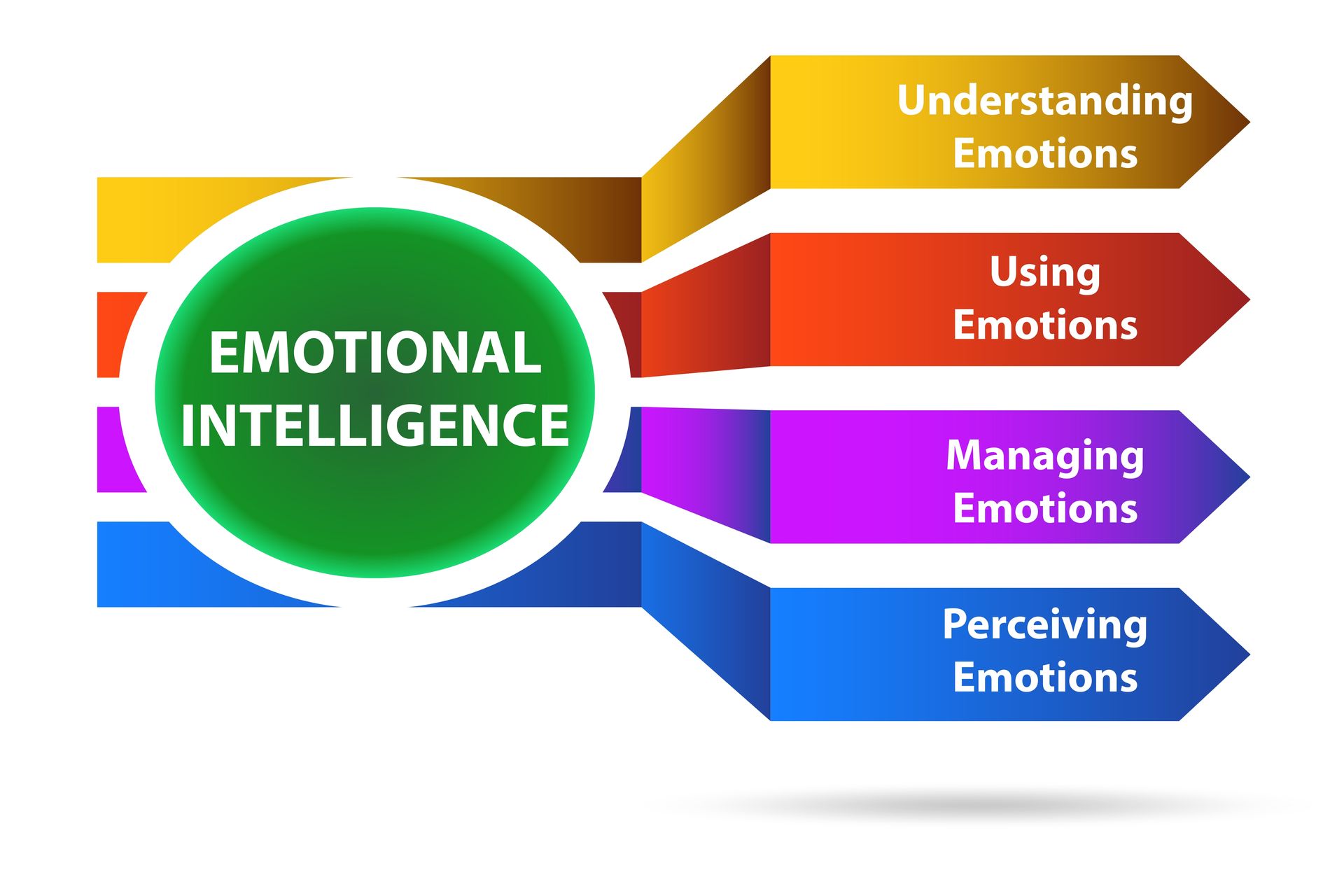
Incorporating psychometric testing into your selection process, especially before the interview, is a game changer and will take your interviews and decision-making to the next level. An excellent battery of tests that covers general intelligence, emotional intelligence and personality will give you significant amounts of data about each candidate that you simply cannot get from any other data collection method. This battery of tests will typically ask the candidate over 200 questions, which compared to the 10 or so you will ask in an interview, is a lot of data. Imagine having all the test data before the interview, instead of interviewing a stranger who has only shared with you information they believe will enhance their prospects.
Screen, test, & interview. The game-changer approach to recruitment.
Standardisation of Selection
This means your selection process is essentially the same for all candidates. They all go through the same steps and are asked the same role specific questions, albeit some different questions based on the candidate’s CV and other points that may arise during the selection process. However, apart from that, the process is the same for all candidates.
Standardisation allows you to more meaningfully compare candidates and make changes to your selection process if a poor candidate gets through. By having the same process it is easier to look back and see where improvements can be made. If your process is ad hoc and different for each candidate, you cannot improve your process. Standardisation also gives the hiring manager comfort in knowing that even if they are away the proper process will be followed.
Small Changes, Big Results: The Tiny Tweaks That Transform Recruitment
The
small change that delivers dramatically better hiring decisions is simple:
- Screen candidates first
- Test second
- Interview last
This article is part of a series on modernising recruitment processes. You may also be interested in: