
The Problem with AI-Optimised Candidates
We hope you enjoy reading this blog post!
Fermion is a Wollongong-based HR consultancy that specialises in helping companies across Australia save money through innovative recruitment and retention programs. Let us help your organisation thrive.
How to identify real capability in an AI-enhanced hiring market
Generative AI has changed the hiring process, and not just for employers, but also for candidates. Resumes are more polished, cover letters are more compelling, and interview answers are more refined and rehearsed. On the surface, this looks like progress. Candidates are presenting better, applications are clearer and the overall standard appears higher. But beneath that, something important has changed.
Candidates are starting to look the same
AI is trained on what “good” looks like, so it produces variations of the same structure, the same language, and the same examples. What you end up with is a pool of applicants who all present well but are increasingly difficult to differentiate.
This creates a new problem for hiring. Traditionally, recruitment has relied heavily on what candidates choose to present: their resume, their cover letter, and their responses in an interview. Even then, this was a controlled narrative. Candidates selected what to include, what to emphasise, and what to leave out.
Now that narrative can be enhanced, refined, and in some cases generated, by AI. The result is not necessarily misleading, but it is optimised. The signal hasn’t improved; it has just become harder to interpret.
A hiring process that relies heavily on self-reported information becomes less reliable in this environment. You are still making decisions based on what candidates say about themselves and how well they say it, but the gap between presentation and actual capability can be wider than before.
This is where assessments become more important
Assessments shift the focus away from narrative and towards evidence. They do not rely on how well a candidate presents themselves, but instead measure how they think, how they behave, and how they are likely to perform.
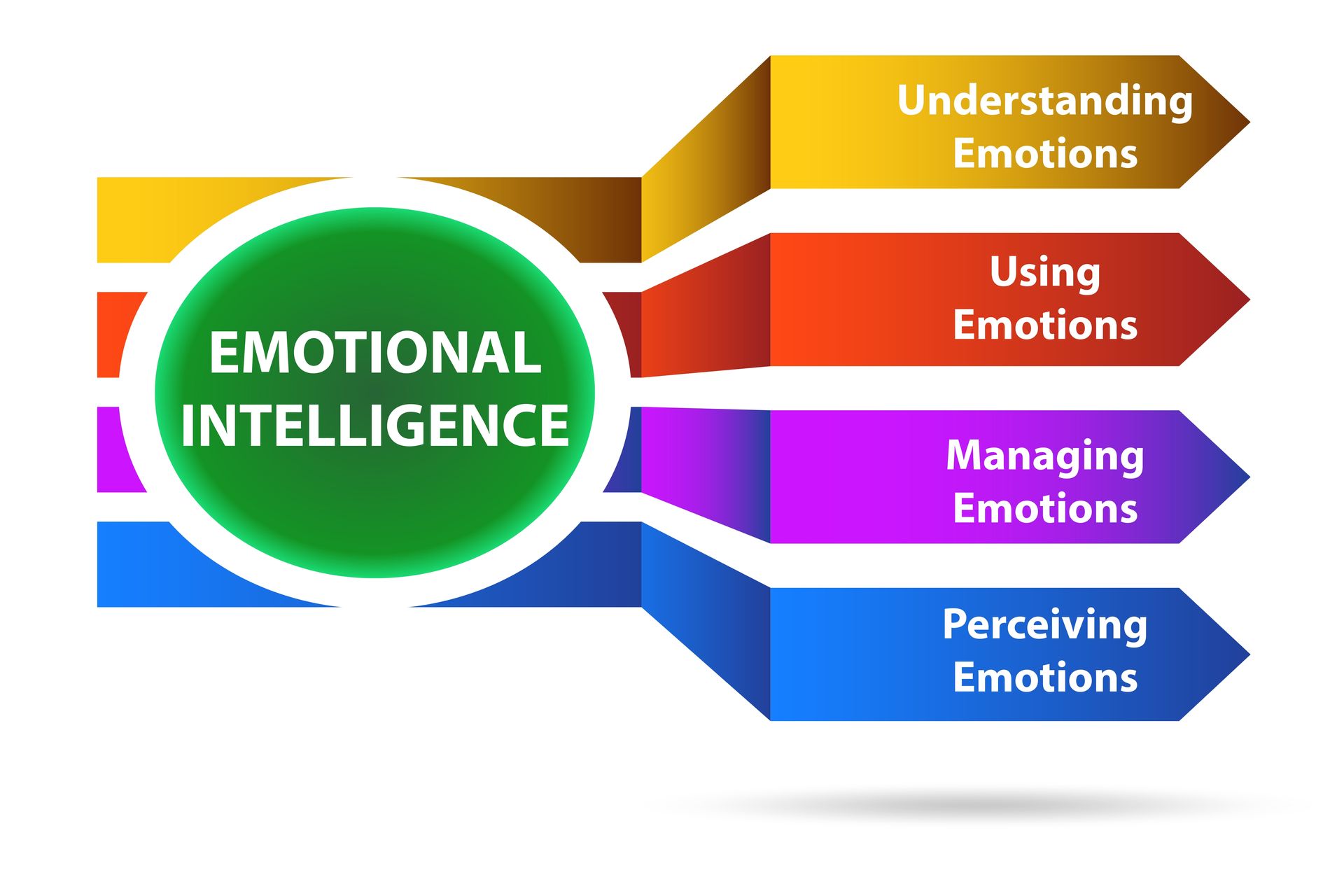
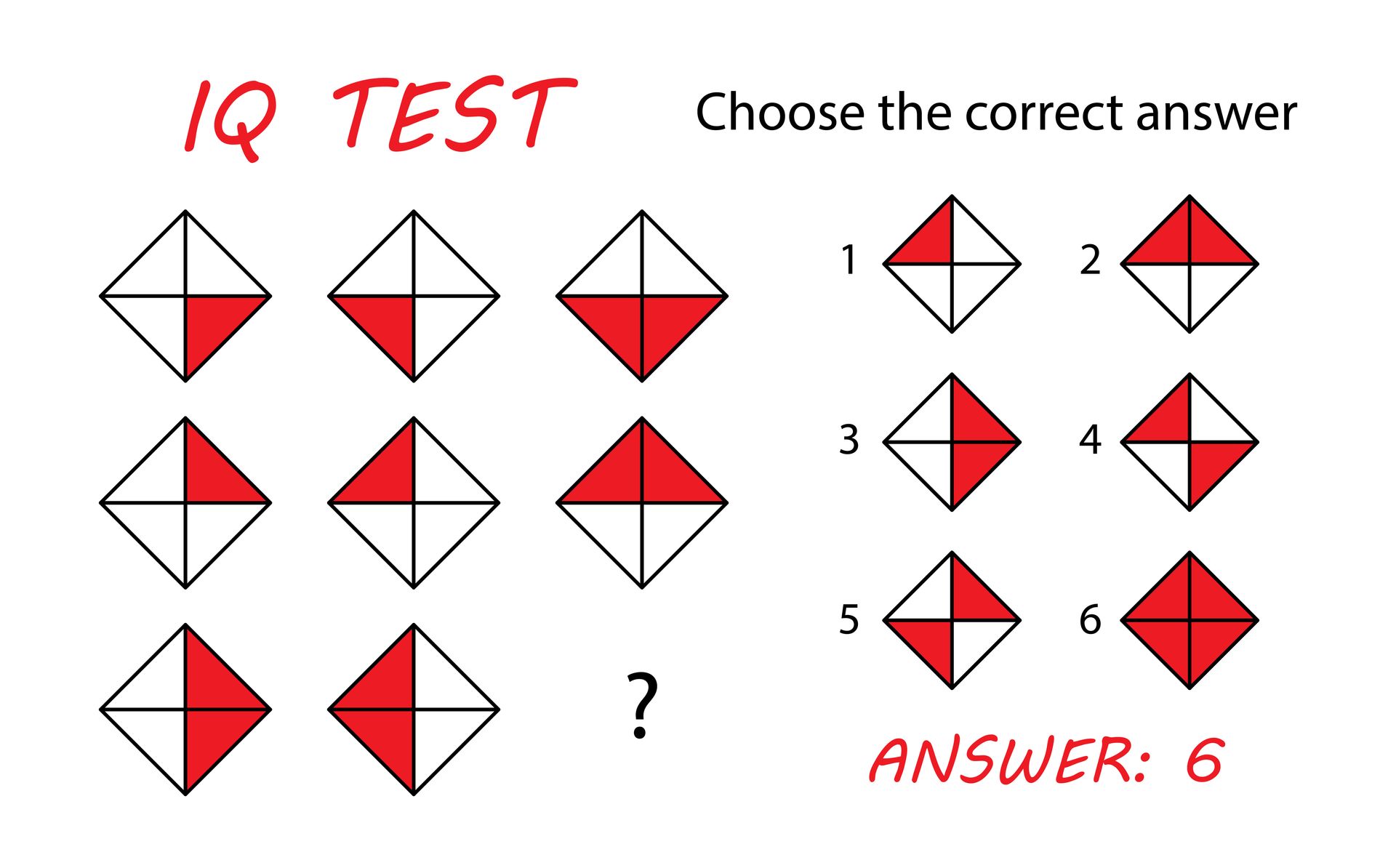
They provide insight into areas that are difficult to infer from an application alone, such as how quickly someone can learn new information, what are their dominant personality traits, how emotionally intelligent are they and what are their strengths and areas for improvement. Importantly, assessments introduce information that cannot be easily curated or standardised by AI. Some require real-time problem solving, where candidates must engage, think, and respond in the moment. Others focus on personality and behavioural patterns, where there are no right answers, only alignment with the role.
With assessments, the candidate is no longer presenting an optimised version of themselves; they are demonstrating how they actually operate, and this is the shift as AI becomes more embedded in the hiring process. More candidates will present well, more applications will look strong and more interviews will sound convincing. The surface-level signals that hiring decisions have traditionally relied on will become less useful.
The organisations that adapt will not be the ones that rely more heavily on interviews or more detailed applications. They will be the ones that build processes capable of generating better data.
Better hiring decisions are no longer about asking better questions. They are about measuring the things that cannot be optimised by AI.
About the Author:
Christopher Apps is an Organisational Psychologist and the owner of Fermion. He stays updated on the latest psychology research and shares evidence-based insights. The focus of Fermion is "Psychometric Testing for Recruitment" and “Recruitment to Retention: How to Select Good Staff & Keep Them”. If you would like to learn how to select good staff and keep them, please contact us at Fermion.
“Learn from the mistakes of others. You can’t live long enough to make them all yourself.”
Eleanor Roosevelt.