
What the NFL Can Teach Us About Recruitment Decisions

Chris Apps • 3 February 2026

Why psychometric testing for recruitment leads to better hiring outcomes

While watching the NFL playoffs recently, a commentator made a remark that grabbed my attention: “A team and head coach are only as good as their recruitment choices”.


As someone who works in recruitment and workplace psychology, that comment piqued my interest immediately.


Comparisons between elite sporting teams and businesses are often overdone. Elite athletes benefit from genetics, resources, and full-time training that most people simply don’t have access to. Likewise, businesses don’t get to watch candidates perform their role live before making a hiring decision.


However, one comparison holds true across sport and business:
Recruitment decisions matter enormously.


Why Recruitment Decisions Determine Business Performance 

In Good to Great, Jim Collins uses the metaphor of having the “right people on the bus.” Without the right people, even the best strategy struggles. With the right people, organisations adapt, grow, and outperform competitors.


Elite sports teams obsess over selection. Businesses often don’t. Instead, many organisations still rely on:

  • CV screening
  • One or two interviews
  • Gut feel


That approach forces you to interview strangers, armed only with information the candidate has chosen to tell you.


That’s not recruitment. That’s guesswork.


Why Interviews Alone Don’t Work

  • A CV is marketing
  • An interview is a performance
  • Neither reliably predicts on-the-job success.
  • Candidates naturally present themselves in the best possible light


That’s understandable, but it leaves employers making critical decisions with insufficient data.


The solution isn’t more interviews.


The solution is
better information before the interview even begins.


Psychometric Testing for Recruitment: A Smarter Approach


An effective recruitment process follows a simple structure:

Screen → Test → Interview


Psychometric testing for recruitment allows you to:

  • Understand a candidate’s personality profile
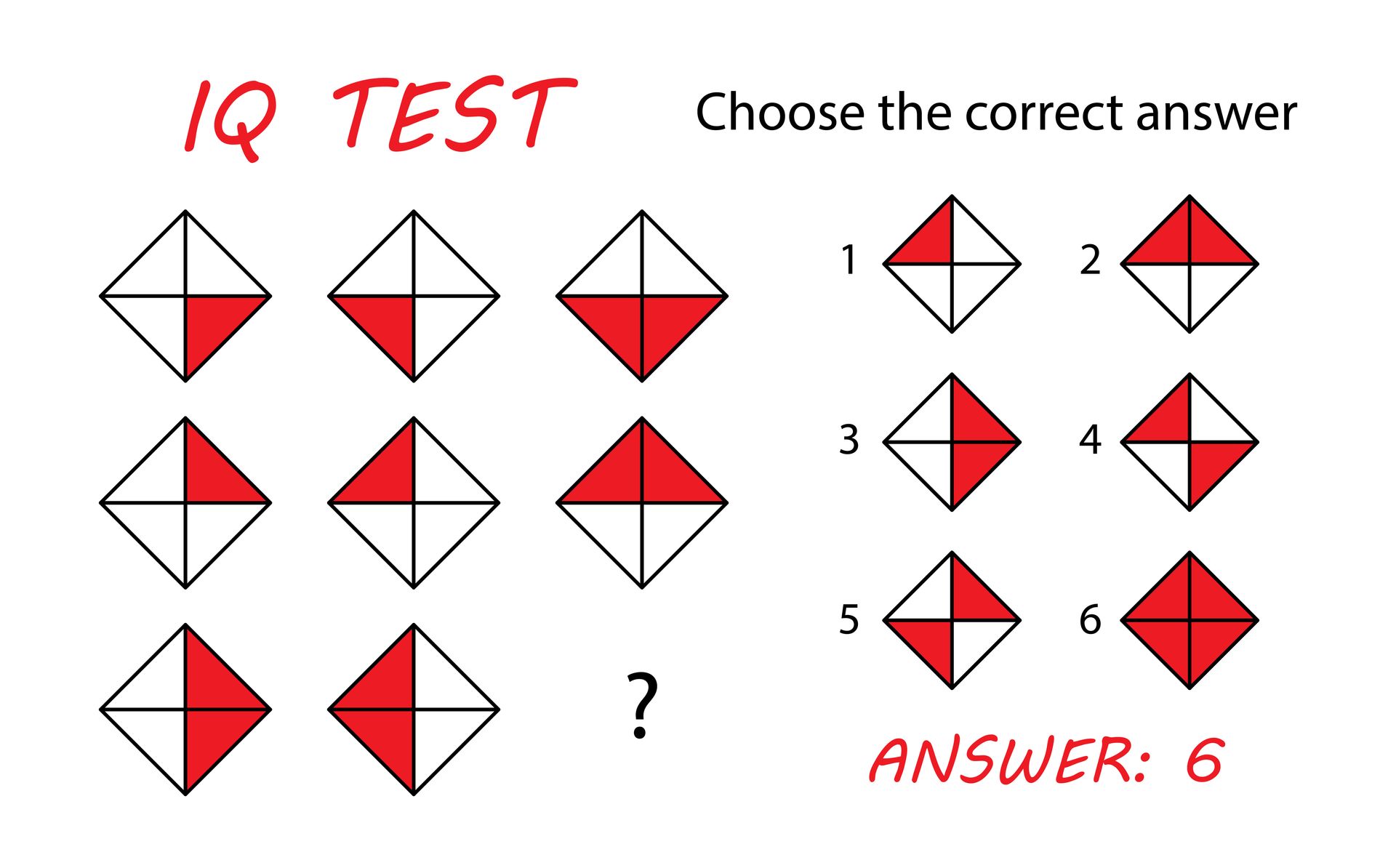
  • Assess cognitive ability (IQ)
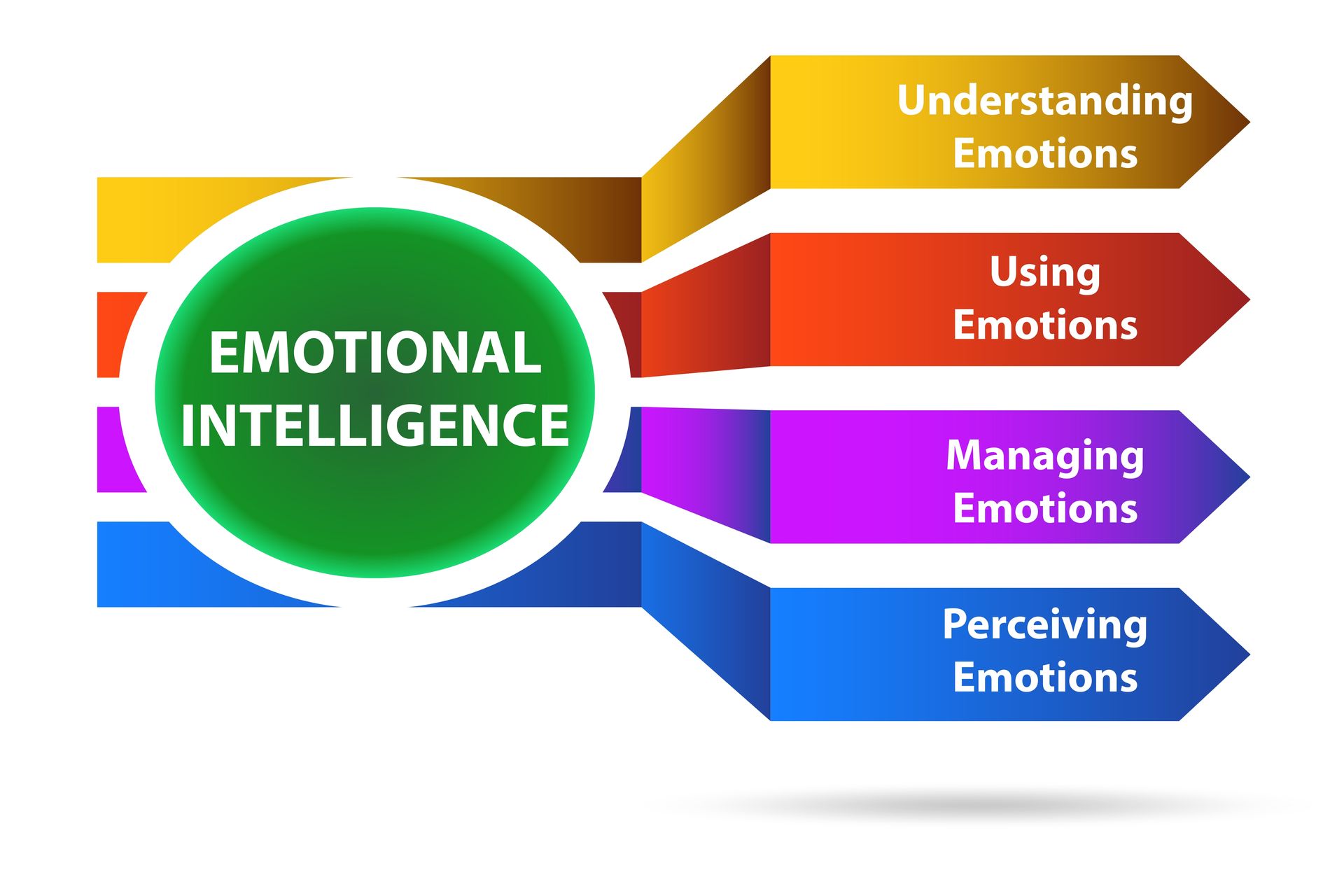
  • Measure emotional intelligence (EQ)
  • Identify behavioural risks and strengths
  • Compare candidates objectively


This means you walk into interviews already knowing:

  • How a candidate is likely to behave at work
  • How they make decisions
  • How they respond to pressure
  • Whether they fit the role and culture


At that point, the interview becomes a confirmation tool, not a gamble.  


You Don’t Have to Interview Strangers

With proper screening and psychometric testing:

  • Poor-fit candidates are filtered out early
  • Strong candidates rise quickly
  • Interviews become shorter and more meaningful
  • Hiring decisions are defensible and evidence-based


While businesses can’t recruit exactly like the NFL, they can adopt a more rigorous, data-driven selection process. One that consistently improves hiring outcomes.


Final Thought: Objective Data Beats Gut Feel 

When we talk about “testing,” we usually mean psychometric testing for recruitment, but even role-specific assessments can improve hiring quality.


Any objective data point is better than relying solely on intuition.
 

Screen → Test → Interview


Simple. Repeatable. Effective.

About the Author:

Christopher Apps is an Organisational Psychologist and the owner of Fermion. He stays updated on the latest psychology research and shares evidence-based insights.


The focus of Fermion is "Psychometric Testing for Recruitment" and "Recruitment to Retention: How to select good staff and keep them". If you would like to learn how to select good staff and keep them, please feel free to contact us at Fermion.


“Learn from the mistakes of others. You can’t live long enough to make them all yourself.”

Eleanor Roosevelt.

Recent Posts

A graphic showing the four elements of EQ
by Chris Apps 27 July 2026
Technical skill is not enough when a role involves people, pressure and judgement. Emotional intelligence can help employers reduce poor hiring decisions.
A test item from an IQ test
by Chris Apps 21 July 2026
A strong CV and interview do not always show whether a candidate can learn quickly, handle complexity and meet the real demands of the role.
Business people looking over accounts
by Chris Apps 14 July 2026
A mishire can cost far more than salary. Better recruitment protects profit, reduces wasted time and builds stronger teams that last and perform well.
A graphic depicting a job candidate between a CV and test
by Chris Apps 10 July 2026
Traditional recruitment rewards confidence and polish. A modern selection process uses stronger evidence to identify who is genuinely most likely to succeed.
A business meeting with one man point his finger in an aggressive manner towards a colleague
by Chris Apps 2 July 2026
Most role failures are not about technical skills alone. Learn how personality, judgement and cognitive fit shape better hiring decisions over time and prevent pain.
A graphic of a bulls eye with a resume attached to an arrow
by Chris Apps 23 June 2026
Candidates can use AI to appear ideal, but presentation is not proof. Discover how a convergence of evidence can reduce the risk of a costly mishire.

Business meeting in a modern conference room, with silhouetted people around a long table at sunset.
by Chris Apps 26 May 2026
Poor hiring decisions do more than create mishires. Without a clear process, they can damage trust, invite claims of bias and expose the business.
Notebook page reading “Role Expectations” with a pen on a wooden desk
by Chris Apps 18 May 2026
Candidates need the truth about the role, the culture and the manager. Honest recruitment reduces mismatched expectations and costly mishires before they start.
Two people in business attire shaking hands across a white desk with paperwork and a keyboard.
by Chris Apps 12 May 2026
Resumes, interviews and reference checks all contain "noise" and error. Discover how stronger recruitment systems improve hiring accuracy and reduce mishires.
Man at desk with coffee and snacks, balancing a pen between two wire fixtures while looking focused
by Chris Apps 5 May 2026
Difficult employees rarely appear overnight. Discover how recruitment decisions influence behaviour and what you can do early to avoid costly mistakes.
Show More