
Improve Your SMB Hiring Process in 3 Simple Steps

Chris Apps • 10 November 2025

How SMBs Can Hire Smarter and Reduce Turnover

Bringing in people who will contribute to the overall performance and reputation of your business is one of the most important decisions that you will make.


Hiring the wrong person, or someone who doesn’t stay long or whose performance isn’t up to scratch, might be relatively easy to recover from for a larger business, but for a small to medium-sized business, the impact of getting it wrong can be significant, not only financially, but in opportunity costs and possibly team morale, depending on the circumstances.


From just a financial perspective, it is reasonable to assume the cost of a mishire is the area of 50% to 60% of their yearly salary, at the minimum.


Some of the common hiring mistakes that small to medium-sized businesses make include the following:

  • Hiring the friend of a friend
  • They don’t ask their employees for recommendations
  • They hire someone they like
  • The interview is an informal chat
  • They have unrealistic expectations
  • They take candidates at face value
  • They hire too quickly or too slowly


Fortunately, there are several steps any business can take to significantly improve its hiring process and decisions; the single best thing you can do is screen, test, and interview, in that order.


Conduct a 10-to-15-minute telephone screen to confirm key pay and conditions of employment, the candidate’s motivation, and whether they meet the technical requirements of the role.


If the candidate is deemed good enough, then refer them to Fermion for profiling and testing.


You then have significant data on the candidate to decide if a face-to-face interview is warranted and worth the time and resources. If you decide to interview, you then use the screening data, test results, and their CV to complement your interview.


Having all that data gives the interview panel far more material to work with than you would ever have if you just called the candidate in for an interview.


That 3-step process (screen, test and interview) can be done by any size business, and it can’t help but improve your hiring decisions. Even if you are interested in a friend of a friend, still put them through the same process.


The Bottom Line

If you are tired of hiring the wrong person, or you want to build a high-performing team, you need data about each candidate before you interview; use the test results to complement your interview.


A typical battery of tests that covers IQ, EQ, and personality will ask the candidate over 200 questions. Imagine using that data to enhance your interview.


Telephone screening, then psychometric testing, and then only interview the good candidates. Try this approach, and your hiring decisions will improve significantly.

About the Author:

Christopher Apps is an Organisational Psychologist and the owner of Fermion. He stays updated on the latest psychology research and shares evidence-based insights.


The focus of Fermion is "Psychometric Testing for Recruitment" and "Recruitment to Retention: How to select good staff and keep them". If you would like to learn how to select good staff and keep them, please feel free to contact us at Fermion.


“Learn from the mistakes of others. You can’t live long enough to make them all yourself.”

Eleanor Roosevelt.

Recent Posts

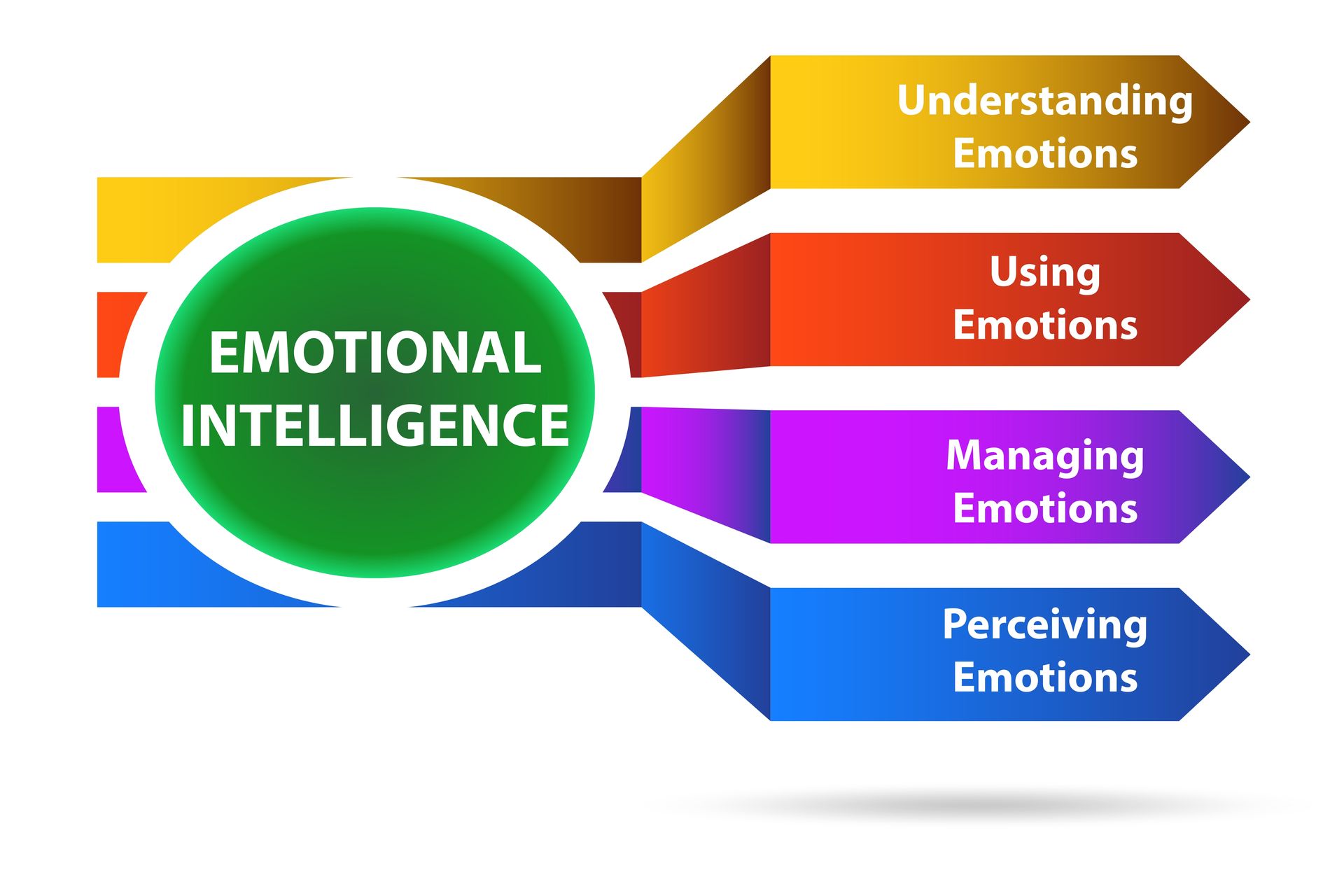
A graphic showing the four elements of EQ
by Chris Apps 27 July 2026
Technical skill is not enough when a role involves people, pressure and judgement. Emotional intelligence can help employers reduce poor hiring decisions.
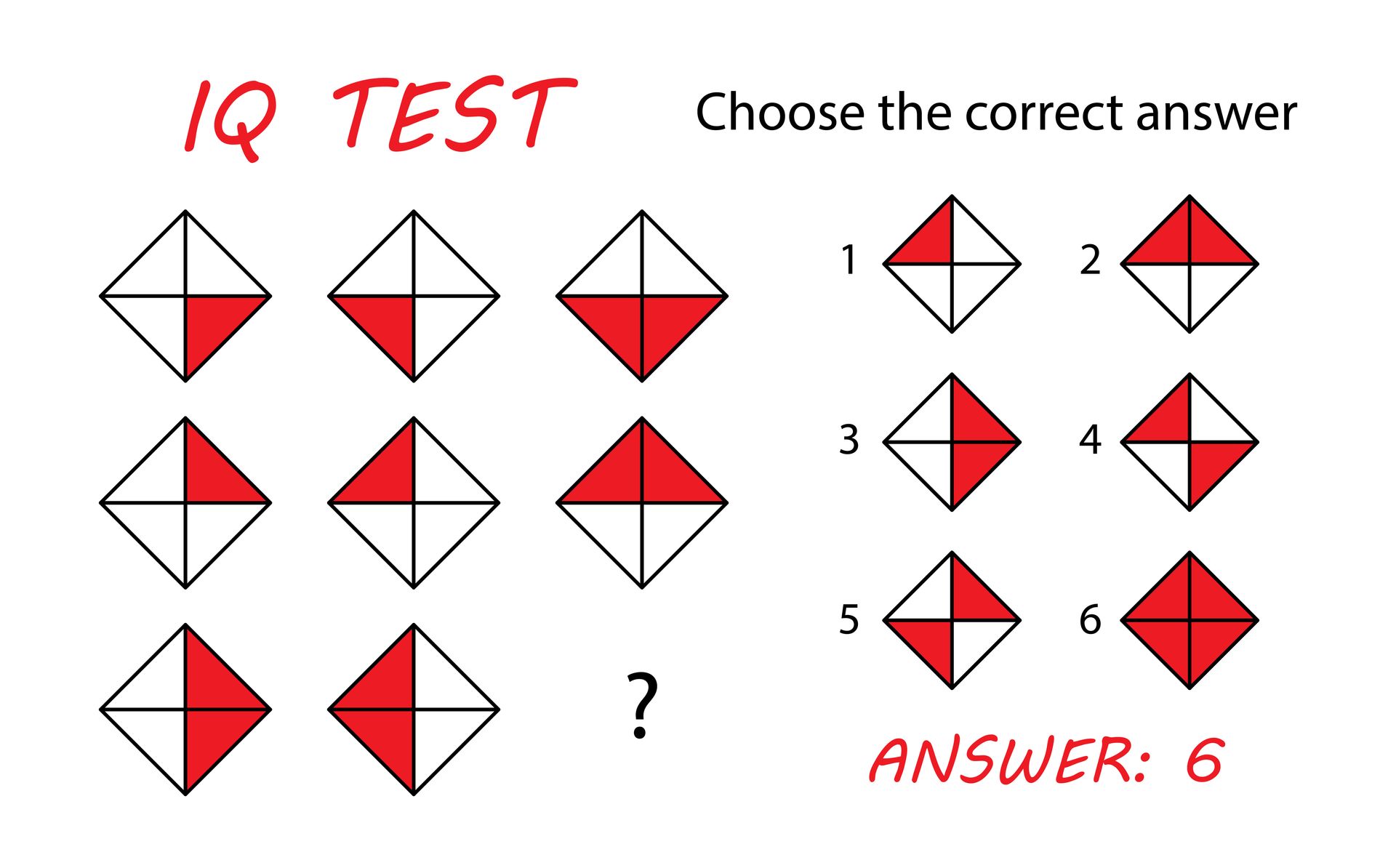
A test item from an IQ test
by Chris Apps 21 July 2026
A strong CV and interview do not always show whether a candidate can learn quickly, handle complexity and meet the real demands of the role.
Business people looking over accounts
by Chris Apps 14 July 2026
A mishire can cost far more than salary. Better recruitment protects profit, reduces wasted time and builds stronger teams that last and perform well.
A graphic depicting a job candidate between a CV and test
by Chris Apps 10 July 2026
Traditional recruitment rewards confidence and polish. A modern selection process uses stronger evidence to identify who is genuinely most likely to succeed.
A business meeting with one man point his finger in an aggressive manner towards a colleague
by Chris Apps 2 July 2026
Most role failures are not about technical skills alone. Learn how personality, judgement and cognitive fit shape better hiring decisions over time and prevent pain.
A graphic of a bulls eye with a resume attached to an arrow
by Chris Apps 23 June 2026
Candidates can use AI to appear ideal, but presentation is not proof. Discover how a convergence of evidence can reduce the risk of a costly mishire.

Business meeting in a modern conference room, with silhouetted people around a long table at sunset.
by Chris Apps 26 May 2026
Poor hiring decisions do more than create mishires. Without a clear process, they can damage trust, invite claims of bias and expose the business.
Notebook page reading “Role Expectations” with a pen on a wooden desk
by Chris Apps 18 May 2026
Candidates need the truth about the role, the culture and the manager. Honest recruitment reduces mismatched expectations and costly mishires before they start.
Two people in business attire shaking hands across a white desk with paperwork and a keyboard.
by Chris Apps 12 May 2026
Resumes, interviews and reference checks all contain "noise" and error. Discover how stronger recruitment systems improve hiring accuracy and reduce mishires.
Man at desk with coffee and snacks, balancing a pen between two wire fixtures while looking focused
by Chris Apps 5 May 2026
Difficult employees rarely appear overnight. Discover how recruitment decisions influence behaviour and what you can do early to avoid costly mistakes.
Show More