Skills testing measures acquired knowledge or proficiency. It can help establish whether a candidate can currently perform something they claim to be able to do, and for some positions that information can be extremely important. If you are recruiting someone whose job depends heavily on accurate data entry, for example, measuring their speed and accuracy makes sense. Similarly, asking a software developer to complete a realistic coding exercise may provide valuable evidence about their present technical capability.
The problem begins when we confuse evidence that someone can perform a particular task today with evidence that they are likely to perform well in the role over time and that is two different questions.
An administrative employee may need good computer skills, but their longer-term performance may also depend on how quickly they learn, how carefully they work, how they solve problems, how reliably they follow through and how they respond when priorities change.
A technically capable manager may know the systems and processes exceptionally well, yet still struggle because of poor judgement, low conscientiousness or difficulty working effectively with other people.
This is where broader psychometric assessment can add different information.
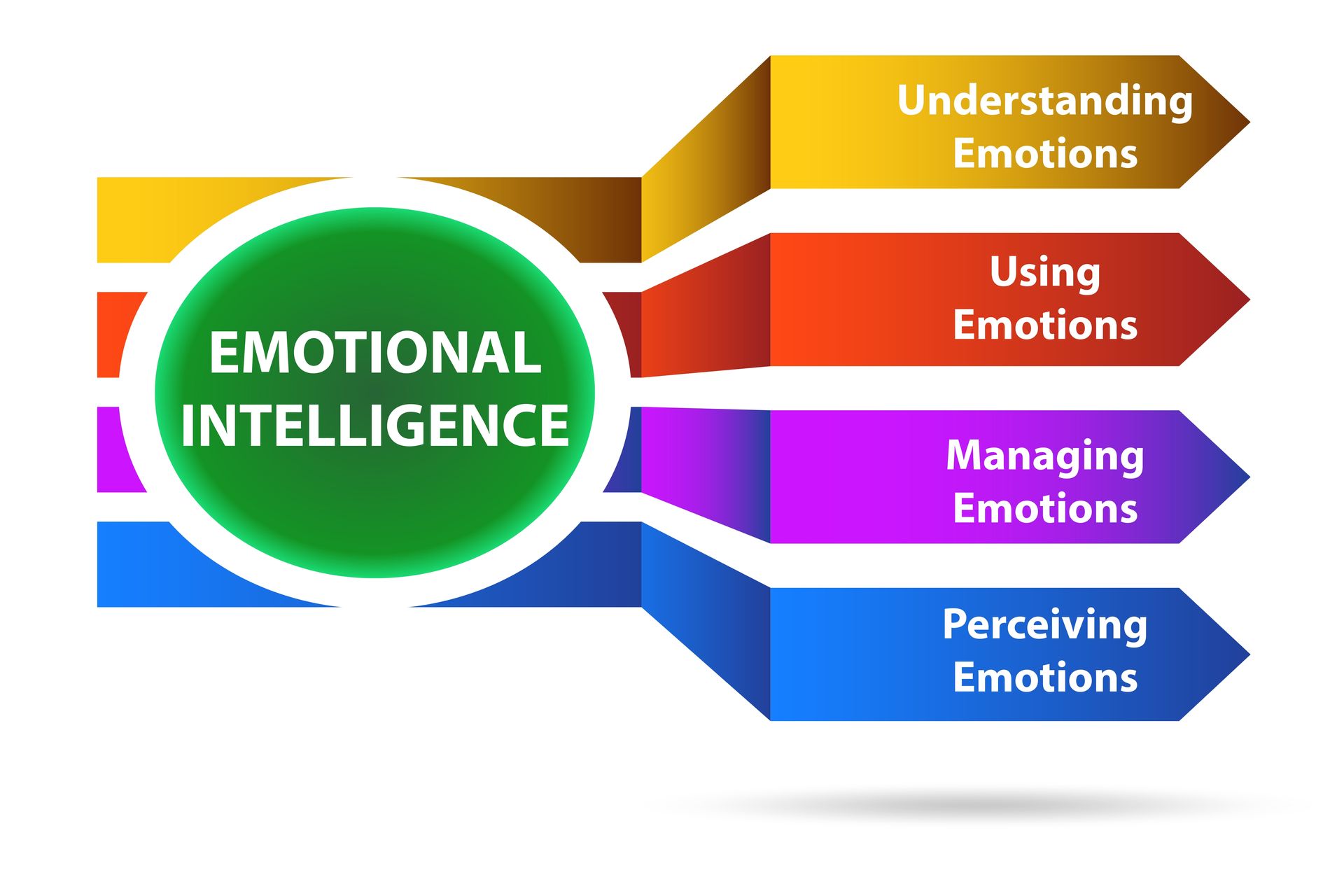
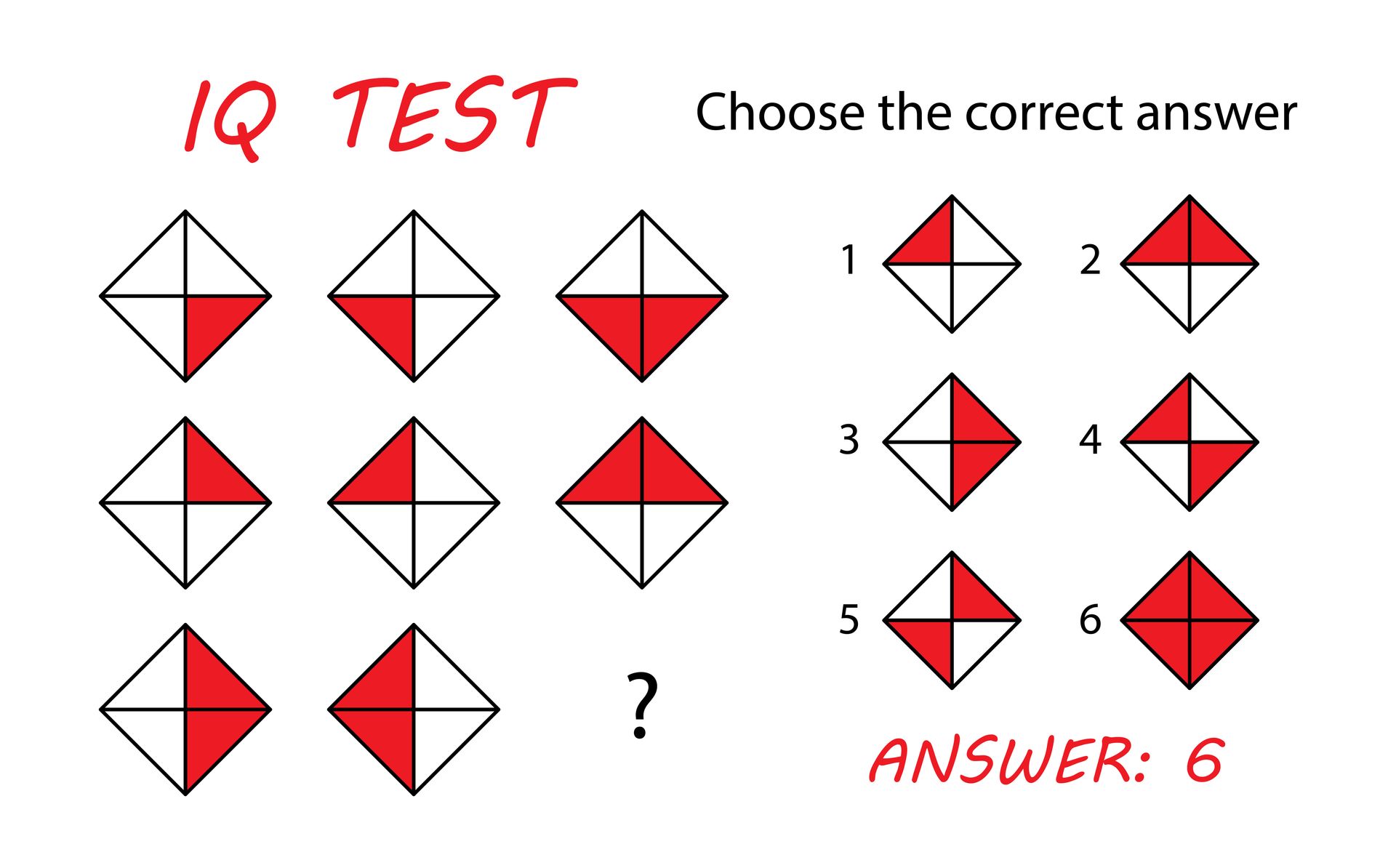
Cognitive ability assessments are designed to provide evidence about broader reasoning, problem solving and learning capability. Personality assessments provide information about relatively stable behavioural tendencies that may affect how someone approaches their work, interacts with others and responds to the demands of a particular role.
The distinction between specific skills testing verse testing for broader capabilities becomes particularly important when businesses recruit only for what they need today. Imagine recruiting a software engineer because they are highly proficient in a particular programming language. That may be exactly what the organisation needs immediately, but technology changes. The programming language may change, the systems may change and the role itself may evolve. At that point, the question becomes less about what the person knew when they were recruited and more about whether they have the capability and motivation to learn what comes next.
A skills assessment can tell us something about current competence. A cognitive assessment can tell us something about reasoning and learning capability. A personality assessment can contribute evidence about likely behavioural tendencies. A structured interview can investigate previous behaviour and explore how the candidate thinks about situations relevant to the role. Reference checking can provide another source of evidence from someone who has observed them at work.
The objective is not to find one test or one source of data, instead it is to see whether the
evidence begins to converge. When several reasonably independent sources of information point in the same direction, we can have greater confidence in the hiring decision than when we rely heavily on one impressive test result, CV or interview.
Skills matter and, in some positions, they matter enormously, but when recruiting someone who may work with your business for several years, it is worth asking a broader question than simply, “Can this person do the job today?”
The better question is, “What evidence do we have that this person can perform, learn, adapt and contribute successfully as the job changes?”
Psychometric testing should not replace the other parts of your recruitment process. It should strengthen them. If you would like to discuss how
Fermion can add cognitive ability and personality assessment to your existing selection process, contact us for a confidential discussion.
“Learn from the mistakes of others. You can’t live long enough to make them all yourself.”
Eleanor Roosevelt.
NB: I use ChatGPT as a writing and editing tool, but the ideas, judgement and final views in this article are my own.