
Stranger Danger: Why Are You Interviewing Strangers.

Chris Apps • 12 February 2026
We hope you enjoy reading this blog post!

Fermion is a Wollongong-based HR consultancy that specialises in helping companies across Australia save money through innovative recruitment and retention programs. Let us help your organisation thrive.

A Smarter Way to Hire Without Adding Complexity or Cost

The typical recruitment method is a candidate replies to a job advertisement with their cover letter and resume, all of which is their best version of themselves in the context of the role. To use a fishing metaphor, their CV and cover letter is the bait that they are trying to lure you in on.


This bait may have taken them hours to write, or worse, they got someone else to write it for them. The bait also omits anything the candidate thinks is a negative and focuses on the positives, which is to be expected, but therein lies the problem. All you have of the candidate is their version of themselves and that’s all the data you have to decide whether they are worthy of an interview.


The next step is the face-to-face interview and the only information the panel has on this stranger is what they are prepared to share. That’s all. They are complete strangers who are controlling the narrative.


The candidate walks through the door and straight away your biases and first impression kicks in; do they present well, do they remind you of someone, or whatever it is, sure as the sun coming up each day, you will start to form an opinion immediately. So at this point, you have the candidate’s version of themselves and your biases and intuition – not a thread of objective data yet.


During the interview the candidate answers questions with examples they have rehearsed, and they avoid weak spots, and from that a decision is made on one-sided information. All you really have is what the candidate wanted you to hear and your feelings. We often disguise it as hard objective data and analytical decision making, but you are making a significant decision on very limited data.


The good news: This is easy to fix

There is a simple solution that that is easy to implement and will dramatically improve your hiring decisions.


The solution lies in the wording of the job advertisement, telephone screening, psychometric testing and then only interview pretty good candidates. This is easy and effective.


The essential criteria in your job advertisement is important. Keep it simple and have criteria that is as close to being objectively measured as possible, such as qualifications, experience, skills, travel and after hour requirements if necessary. Try to avoid criteria that gets the usual motherhood statements, such as “excellent communication skills”. 


Next, conduct a telephone interview for approximately 15 minutes. Cover the essential criteria, but also key areas such as motivation and expectations. The screening also addresses legal requirements, such as visas or driver’s license or any other requirement of the role. Your Code of Conduct and the Position Description are sent to the candidate before the telephone screen interview, and it is discussed. Set the tone early about your workplace culture.


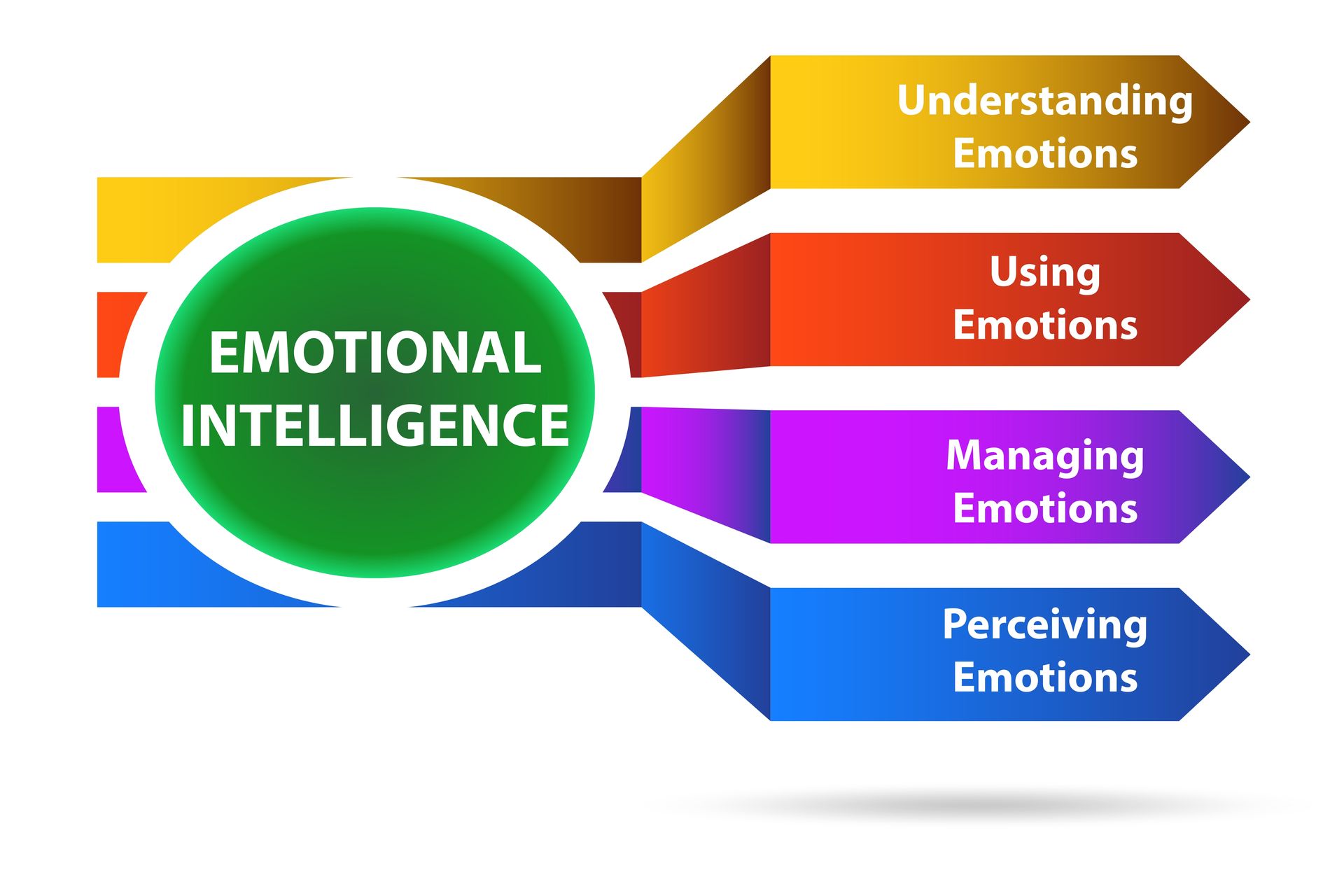
If the candidate still seems pretty good (they don’t have to be 10 out of 10) arrange some psychometric testing that covers personality, emotional intelligence and aptitude. This is a comprehensive battery of tests that is useful for most roles. This is a minor expense compared to the cost of a mishire, but more importantly, these results, combined with the screening data, gives you a significant amount of information before the interview panel meets the candidate.


You are no longer meeting a stranger, and this approach allows you to generate hypotheses about the candidate beforehand and then test them during the interview, not afterwards.


Write. Screen. Test. Interview.


Simple. Structured. Evidence-based. And dramatically more effective than hoping the stranger across the table turns out to be who they say they are.


About the Author:

Christopher Apps is an Organisational Psychologist and the owner of Fermion. He stays updated on the latest psychology research and shares evidence-based insights. The focus of Fermion is "Psychometric Testing for Recruitment" and “Recruitment to Retention: How to Select Good Staff & Keep Them”. If you would like to learn how to select good staff and keep them, please contact us at Fermion.


“Learn from the mistakes of others. You can’t live long enough to make them all yourself.”

Eleanor Roosevelt.