The new employee looked like a good hire. The resume was strong and they had relevant experience and interviewed with confidence. For a few weeks, nothing seemed wrong but then the cracks appeared; they missed details, struggled to prioritise, became defensive when given feedback and created friction with colleagues. Or they worked well enough, but became bored, disengaged and difficult to retain.
Eventually, someone says the most common sentences in recruitment, “They looked perfect on paper.”
Many people do not fail because they lack technical knowledge. They fail because the deeper demands of the role were not understood or tested before the hiring decision was made.
Technical capability matters. A lawyer needs legal knowledge, and a project manager needs to understand delivery, risk and accountability. But technical skill is only part of whether someone will thrive.
Research consistently links
personality and cognitive ability with workplace performance. Conscientiousness matters because it is associated with reliability, self-discipline and follow through. Cognitive ability matters, especially where a role requires someone to absorb complex information, solve unfamiliar problems, learn quickly or make decisions under pressure.
A person can be experienced and impressive in an interview, but if they lack the behavioural discipline the role requires, technical knowledge will only carry them so far. Alternatively, some people are capable of much more than the role requires. They learn quickly and master the role easily and become bored and begin looking elsewhere.
Overqualification is not automatically a problem, but it becomes a risk when the work offers too little challenge, autonomy, purpose or growth.
This is why employee role fit matters. A good hire is a capable person whose strengths, motivation and working style fit the actual demands of the role.
This is where the true strength of psychometric testing for recruitment lies. Not because a test can tell you everything about a person, as it cannot, but it gives decision makers better evidence about factors interviews often miss.
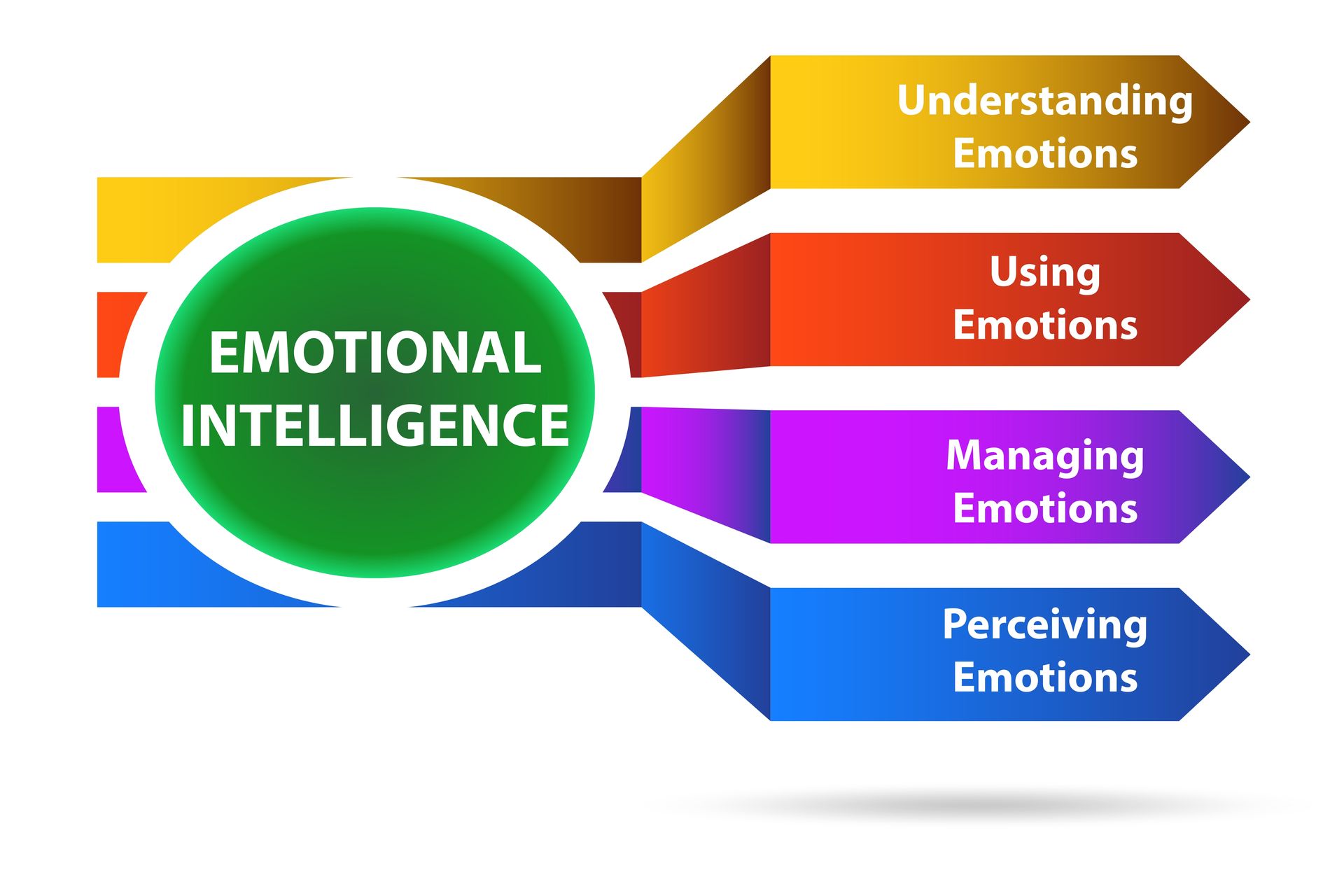
It can help assess cognitive capacity, behavioural tendencies, work preferences and potential problems. It can also identify areas that should be explored more carefully in a structured interview.
Good recruitment testing does not replace judgement. It improves it.
The strongest hiring decisions combine a clear understanding of the role, psychometric testing, structured interviews and reference checking.
The goal is not to find a perfect person, instead the goal is to reduce the risk of hiring someone whose weaknesses become expensive once the pressure of the role begins.
Many hiring mistakes are not caused by a lack of technical capability. They happen because organisations assess experience and interview performance without properly examining the behavioural, cognitive and interpersonal demands of the role. Better recruitment decisions come from understanding the real work, then using structured interviews, relevant assessment and sound judgement to test whether the candidate is likely to thrive once the job becomes difficult.
Better hiring decisions come from better evidence. Psychometric assessment helps you understand how candidates are likely to perform, not just how they present.
The focus of Fermion is
"Psychometric Testing for Recruitment" and
“Recruitment to Retention: How to Select Good Staff & Keep Them”. If you would like to learn how to select good staff and keep them, please
contact us at Fermion.
“Learn from the mistakes of others. You can’t live long enough to make them all yourself.”
Eleanor Roosevelt.
NB: I use ChatGPT as a writing and editing tool, but the ideas, judgement and final views in this article are my own.