

Why the Face-to-Face Interview Should Be the Final Step

Chris Apps • 25 August 2025

Evidence First. Opinion Second.

At Fermion, we see it all the time: organisations still leading with the face-to-face interview.


It feels intuitive, but it’s a trap.


When the interview comes first, unconscious biases take over. A candidate’s handshake, appearance, or small talk can influence the decision before any objective evidence is gathered. This bias in recruitment is one of the biggest reasons for poor hires and costly recruitment mistakes.


The Smarter Recruitment Process


A more effective, structured hiring process flips the order:


1️⃣ Telephone Screen

A quick, structured phone call confirms motivation and baseline suitability. It filters the basics without overinvesting time.


2️⃣ Objective Testing

Psychometric testing in recruitment provides measurable data, from general intelligence to personality and emotional intelligence. Role-specific tasks and objective candidate assessments give you a clear view of ability and fit. This is data you can rely on, rather than guesswork.


3️⃣ Face-to-Face Interview

Only now does the face-to-face interview happen. With evidence already in hand, the interview adds the human layer without drowning out the data. Subjective impressions have a place, but not the first place.


Why This Recruitment Strategy Works


This sequence changes everything:


Better hiring outcomes 

Decisions grounded in objective candidate assessment, not gut feel.


Fairer process 

Candidates know they’re being judged consistently, which strengthens your employer brand.


Reduced hiring mistakes

Interviews no longer dominate decisions based on first impressions.


Best practice recruitment strategy 

Data first, then opinion, aligned with global hiring standards.


Put simply: fewer mishires, stronger hires.  


Time to Rethink Your Recruitment Process

If your hiring process still starts with the interview, it’s time to re-evaluate. Sometimes the smallest change, moving the interview to the end, delivers the biggest impact.


Recruitment is too important to leave to chance. Start with evidence, finish with opinion, and hire with confidence.

About the Author:

Fermion specialises in psychometric testing for recruitment. Please contact Fermion to discuss how a test of IQ, EQ, and a personality profile, or any other psychometric test, can help with your recruitment decisions.


Christopher Apps is a Workplace Psychologist and the owner of Fermion. He stays updated on the latest psychology research and shares evidence-based insights.


The focus of Fermion is "Psychometric Testing for Recruitment" and "Recruitment to Retention: How to select good staff and keep them". If you would like to learn how to select good staff and keep them, please feel free to contact us at Fermion.


“Learn from the mistakes of others. You can’t live long enough to make them all yourself.”

Eleanor Roosevelt.

Recent Posts

AI recruitment selection concept with claw machine choosing candidate from crowd of candidates
by Chris Apps • 6 October 2026
A mediocre hire may quietly cost your business for years. Discover why better recruitment decisions need to prevent average hires as well as obvious mishires.

Four white cubes displaying icons for listening, speaking, reading, and writing skills.
by Chris Apps • 29 September 2026
Good candidates can interview well, but can they do the work? Skills testing adds objective evidence to recruitment before you make the final hiring decision.

A hand interacting with a glowing HR dashboard in futuristic graphic style on a dark background.
by Chris Apps • 24 September 2026
Great recruitment is not just about today’s vacancy. Learn why future capability, adaptability and psychometric testing can improve hiring decisions.

A graphic with the symbols from Microsoft's big 3 - Excel, Word and PowerPoint.
by Chris Apps • 16 September 2026
Skills testing can verify current competence, but better recruitment decisions also consider cognitive ability, personality and evidence from multiple sources.
A graphic with the words
by Chris Apps • 10 September 2026
Reference checks can add useful evidence, but they are biased and imperfect. Learn how to use them without giving weak evidence too much influence in hiring.

A job candidate being interviewed by a panel of four.
by Chris Apps • 1 September 2026
Interviews should not do all the work. Screening, testing and gathering evidence first can reduce bias and help organisations make better hiring decisions.

3 job candidates waiting for an interview
by Chris Apps • 27 August 2026
Better hiring decisions come from a disciplined recruitment process that standardises assessment, informs candidates and combines multiple sources of evidence.

A male office worker pointing his finger a t a male colleague in anger.
by Chris Apps • 18 August 2026
A great interview can create false confidence. Learn how psychometric testing and multiple sources of evidence can reduce the risk of a costly mishire.

A male at  a job interview
by Chris Apps • 12 August 2026
Interview confidence can feel convincing, but intuition is often unreliable. Better hiring decisions come from structured evidence and multiple data sources.
A graphic showing the four elements of EQ
by Chris Apps • 27 July 2026
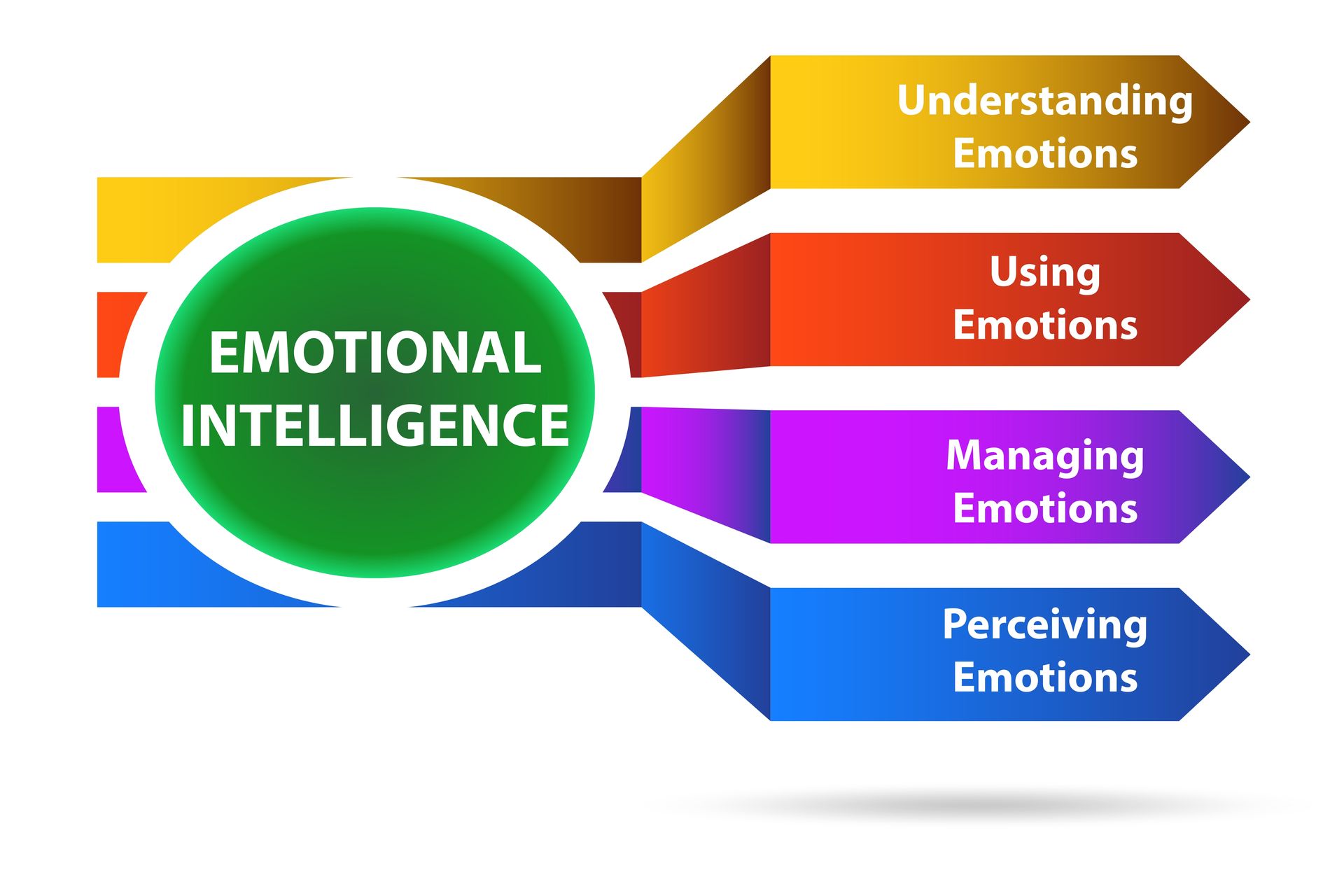
Technical skill is not enough when a role involves people, pressure and judgement. Emotional intelligence can help employers reduce poor hiring decisions.

Show More