
Why 200 Questions Beat 20 Interview Questions Every Time

Chris Apps • 18 August 2025

Why Psychometric Testing in Recruitment Matters

When it comes to recruitment, most organisations still rely heavily on interviews. A hiring manager might ask 15–20 questions and hope to gain enough insight into a candidate’s intelligence, personality, and emotional intelligence.


At Fermion, we’ve seen the limits of that approach. That’s why we use
psychometric testing in recruitment. Structured assessments that measure  IQ, EQ, and personality. In fact, every candidate answers around 200 questions in our pre-employment psychometric assessments.   


The Advantage of 200 Questions Over an Interview Alone 

While 200 questions may sound like a lot, they’re not random. Every response is organised into meaningful scores and insights  that show:

  • How candidates process and analyse information (IQ).
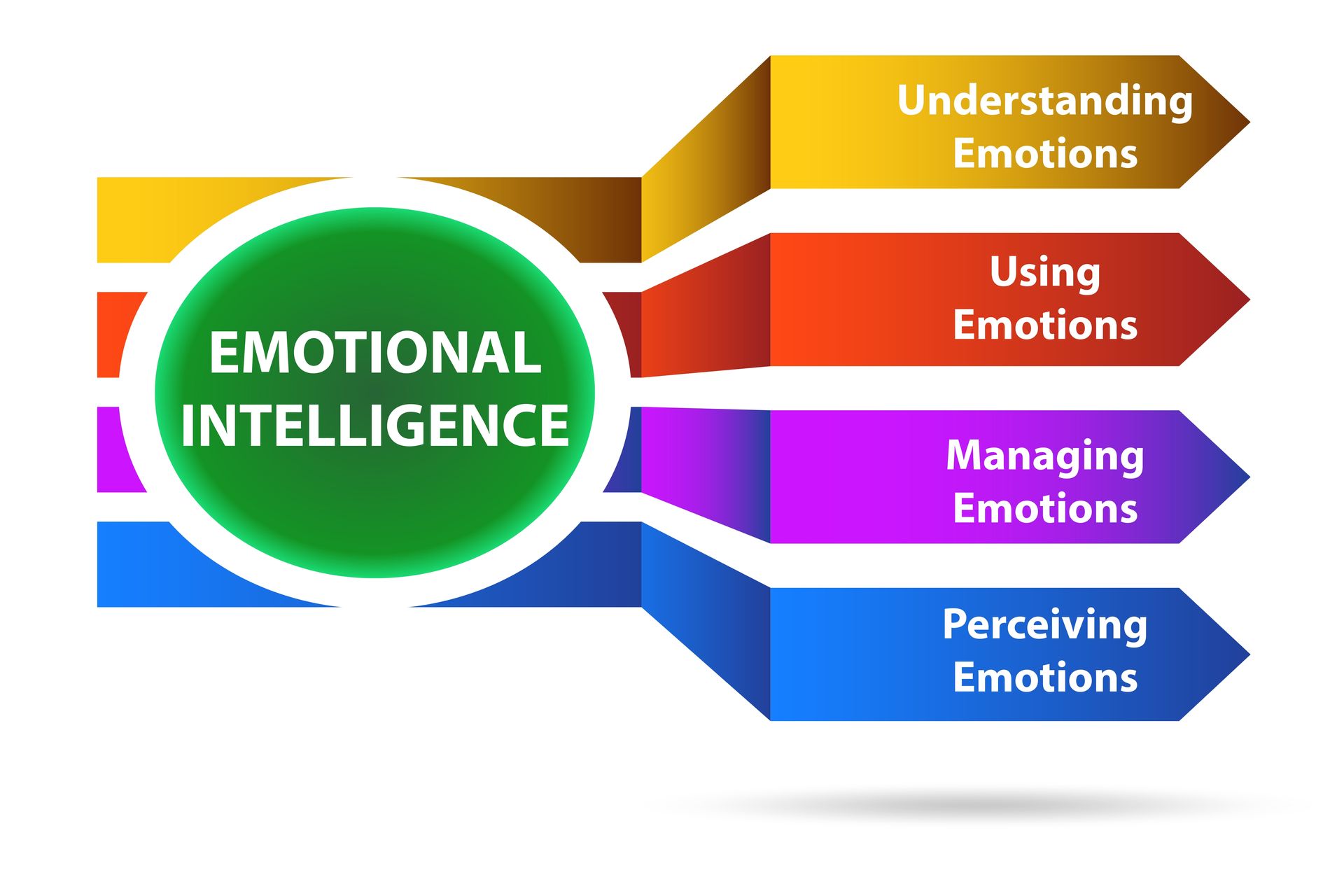
  • How they understand and manage emotions (EQ).
  • How their personality traits align with your workplace culture.


This structured insight gives hiring managers far more depth than a traditional interview ever could.  


Why Testing Before Interviews Works Best 

We strongly recommend completing psychometric testing before the interview. Why? Because it allows you to:

  • Enter the interview with data-driven insights already in hand.
  • Ask targeted, smarter questions instead of relying on gut feel.
  • Confirm or challenge what you observe in person with objective evidence.


This combination of data and dialogue leads to more reliable hiring decisions — and reduces bias in the recruitment process.  


Psychometric Testing Complements, Not Replaces, Interviews 

It’s important to note that psychometric testing for hiring is not a substitute for interviews. Instead, it’s the perfect complement. Interviews reveal how a candidate communicates and engages in real time. Psychometric assessments reveal the underlying cognitive ability, emotional intelligence, and personality traits that drive long-term performance. 


Together, they create a structured hiring process that significantly improves your chances of selecting the right candidate.   


Final Word 

If you’re looking to improve hiring decisions, reduce guesswork, and make your recruitment process more reliable, consider IQ, EQ, and personality testing as part of your selection strategy.
With over 200 structured questions analysed into meaningful insights, you’ll know far more than you ever could by relying on an interview alone.


👉 Learn more about Fermion’s approach to
psychometric testing in recruitment and how it can transform your hiring success: Contact us today.

About the Author:

Fermion specialises in psychometric testing for recruitment. Please contact Fermion to discuss how a test of IQ, EQ, and a personality profile, or any other psychometric test, can help with your recruitment decisions.


Christopher Apps is a Workplace Psychologist and the owner of Fermion. He stays updated on the latest psychology research and shares evidence-based insights.


The focus of Fermion is "Psychometric Testing for Recruitment" and "Recruitment to Retention: How to select good staff and keep them". If you would like to learn how to select good staff and keep them, please feel free to contact us at Fermion.


“Learn from the mistakes of others. You can’t live long enough to make them all yourself.”

Eleanor Roosevelt.

Recent Posts

A graphic depicting a job candidate between a CV and test
by Chris Apps 10 July 2026
Traditional recruitment rewards confidence and polish. A modern selection process uses stronger evidence to identify who is genuinely most likely to succeed.
A business meeting with one man point his finger in an aggressive manner towards a colleague
by Chris Apps 2 July 2026
Most role failures are not about technical skills alone. Learn how personality, judgement and cognitive fit shape better hiring decisions over time and prevent pain.
A graphic of a bulls eye with a resume attached to an arrow
by Chris Apps 23 June 2026
Candidates can use AI to appear ideal, but presentation is not proof. Discover how a convergence of evidence can reduce the risk of a costly mishire.

Business meeting in a modern conference room, with silhouetted people around a long table at sunset.
by Chris Apps 26 May 2026
Poor hiring decisions do more than create mishires. Without a clear process, they can damage trust, invite claims of bias and expose the business.
Notebook page reading “Role Expectations” with a pen on a wooden desk
by Chris Apps 18 May 2026
Candidates need the truth about the role, the culture and the manager. Honest recruitment reduces mismatched expectations and costly mishires before they start.
Two people in business attire shaking hands across a white desk with paperwork and a keyboard.
by Chris Apps 12 May 2026
Resumes, interviews and reference checks all contain "noise" and error. Discover how stronger recruitment systems improve hiring accuracy and reduce mishires.
Man at desk with coffee and snacks, balancing a pen between two wire fixtures while looking focused
by Chris Apps 5 May 2026
Difficult employees rarely appear overnight. Discover how recruitment decisions influence behaviour and what you can do early to avoid costly mistakes.
Handshake over a digital network with glowing data icons and charts in blue tones
by Chris Apps 28 April 2026
Hiring decisions feel rational, but they often aren't. Discover how emotion and AI shape candidate experience and why removing the human touch creates costly mistakes.
Two people in a meeting, smiling across a table with a laptop and papers.
by Chris Apps 22 April 2026
Hiring decisions often start with instinct, not evidence. Discover why confident choices can go wrong and how internal talent is frequently undervalued.
Hands checking items on a clipboard checklist with a red pen
by Chris Apps 20 April 2026
Hiring mistakes often start before the interview. Use a pre-interview checklist to improve structure, reduce bias, and make more effective hiring decisions.
Show More