Why Google’s Hiring Strategy Works
Laszlo Bock, the former Senior Vice President of People Operations for Google, in a 2014
article for the New York Times, said the number 1 attribute they looked for at Google during their rigorous selection process was cognitive ability, which he defined as the “ability to learn quickly”. He said they also looked for “emergent” leadership and a corollary of other behaviours that would come under the more general heading of conscientiousness and humility.
In short, Google is mainly looking for the same things that the research and organisational psychologists have been saying for decades: cognitive aptitude and conscientiousness are valid, reliable, and strongly predictive indicators of future job performance.
The Power of Predictive Hiring
For any selection process, decision-makers need predictive data. Information that helps determine a candidate’s future job success. Google has the resources to develop custom hiring processes, but the fundamental factors they evaluate, cognitive ability and conscientiousness, are measurable through pre-employment assessments that are readily available to all companies.
Every organisation must also deal with its own costs. What are the consequences of hiring the wrong person? What are the consequences of failing to hire a qualified person? We mostly think about the cost of hiring the wrong person (false positives), but there is also a cost to missing a diamond. A significant case study underscores this point:
Facebook rejected Brian Acton, who later co-founded WhatsApp. Four years later, they acquired WhatsApp for $19 billion, a costly example of missing a top talent.
The cost of hiring the wrong person is well-documented, but the cost of failing to hire the right person can be just as damaging.
How to Improve Your Hiring Process Without Google’s Budget
Google has the resources and status to attract high-quality candidates that most other companies or organisations could only dream of. However, there are many ways any organisation can improve its hiring process that don’t cost a fortune or are too time-consuming.
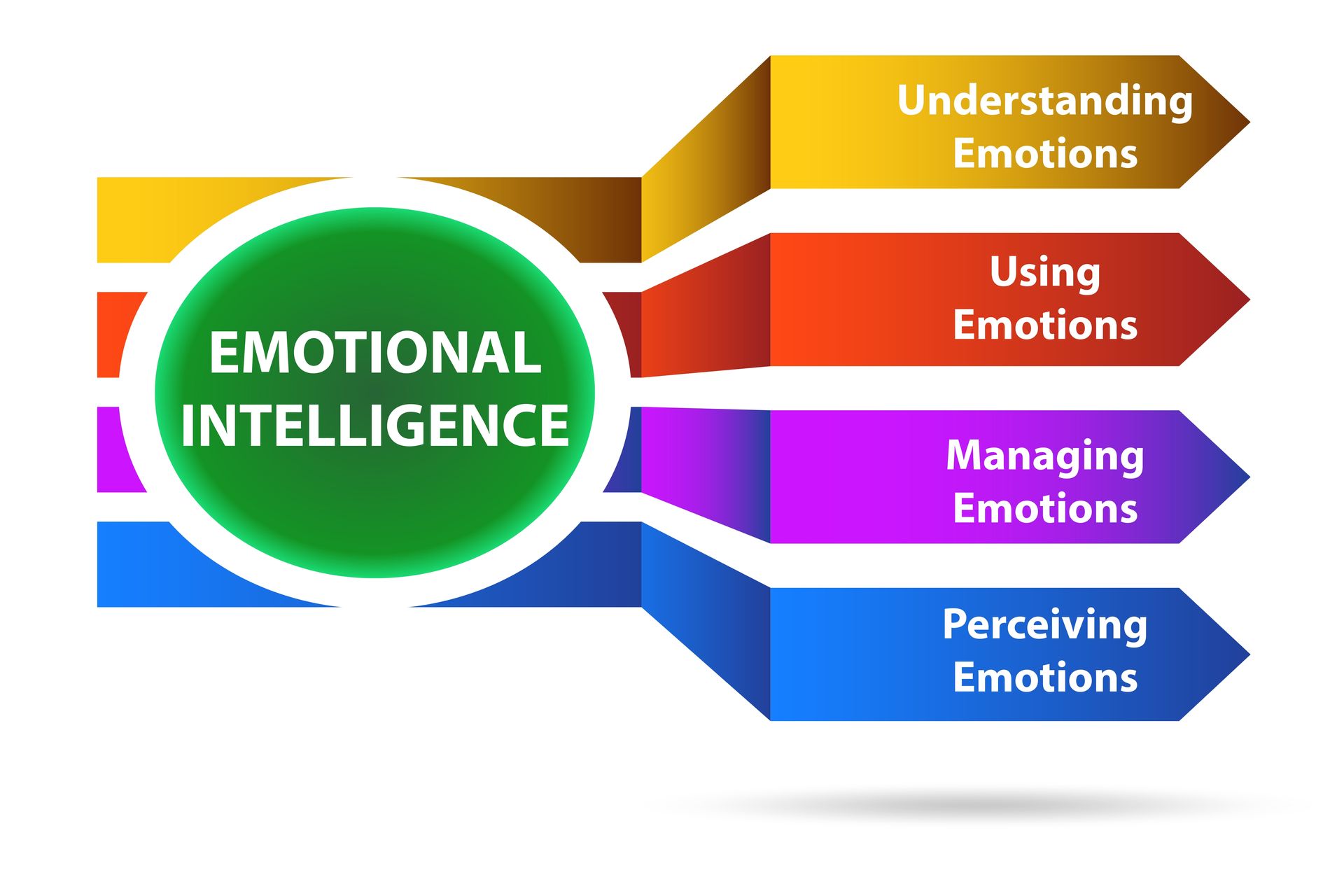
The first of these is incorporating psychometric testing into your selection process to measure cognitive ability, personality, and emotional intelligence. This is easy to incorporate into your process and is very cost-effective when compared with hiring the wrong person or missing a star.
Laszlo Bock has since resigned from Google and has published a book titled "Work Rules", where he offers some advice on ways to improve your hiring process:
- “Our single greatest constraint on growth has always been our ability to find great people.”
- “We wanted to hire ‘smart generalists’ rather than experts.”
- “Unstructured job interviews weren’t very good at predicting how someone would perform once hired. The best predictor of how someone will perform in a job is a work sample test (29 percent) ...the second-best predictors of performance are tests of general cognitive ability (26 percent).”
- “Before you start recruiting, decide what attributes you want and define as a group what great looks like. A good rule of thumb is to hire only people who are better than you. Do not compromise. Ever.”
- “If you’re hiring people who are better than yourself, most other people's issues tend to sort themselves out.”
- “At Google, we front-load our people investment. This means most of our time and money spent on people is invested in attracting, assessing, and cultivating new hires. We spend more than twice as much on recruiting, as a percentage of our people budget, as an average company.”
- "We want the people who will perform their best here, not the ones who will perform their best elsewhere.”
Bock also discussed the importance of honesty and humility in their leaders and assessing that during the hiring process. Honest-humility is a dimension of personality that reflects the degree to which a person promotes, or doesn’t, their own interests above those of others. More specifically, it includes aspects of personality such as one’s levels of sincerity, fairness, modesty and (dis)interest in wealth and signs of status.
A way of measuring honesty-humility during the interview is to ask the candidate the following:
- Please describe a time when you made a mistake at work.
- How did you feel when this occurred?
- What did you do?
- What, if anything, did you learn from this experience?
When people respond to this set of questions, they often communicate information about their guilt proneness, honesty-humility, and conscientiousness, which in turn can be used to predict ethical decision-making and behaviour.
Be wary of any applicant who claims to have been the sole driver of significant changes or successes at their last workplace. Be especially alert to failure to acknowledge the contribution of others or seemingly overstating their position or role. Do your checks carefully to prevent inheriting another organisation's problem worker.
Use a Hiring Checklist to Evaluate Candidates
Another idea for any interview panel to ask themselves after interviewing a candidate:
- Would this person feel bad about committing a transgression or making a mistake even if no one knew about what he or she did?
- Does he or she have a strong sense of responsibility for others?
- Would this person feel bad about letting others down?
- Is this person truthful, humble, and fair?
- Is he or she hardworking, careful, and thorough when completing tasks?
We can’t always answer these questions; however, it is still a useful exercise to help the panel think about each candidate.
Summary
Not every business or organisation is a Google, nor do many have the capacity to emulate their hiring process; however, there are many things that are either free, such as good interview questions, or at a reasonable cost, such as psychometric testing, that can improve your hiring decisions. Including a battery of tests that covers IQ, EQ, and personality, and incorporates the honesty-humility questions, and you are already in front of where you were for little effort or money. Better still,
contact an expert to help you review and improve your current hiring processes. Fortunately, there is one such expert a click away from helping you.
Fermion specialises in psychometric testing for recruitment. Please
contact Fermion to discuss how a test of IQ, EQ, and a personality profile, or any other psychometric test, can help with your recruitment decisions.