

The Workplace Equation for Success

Chris Apps • 25 November 2025

Hiring well is step one. Leading well is step two. Performance is the result.

Building a productive, loyal, high-performing team isn’t a mystery. It’s psychology, leadership, and smart recruitment working together.


High performance happens when people feel their basic human psychological needs are being met; these needs are connectedness, autonomy and mastery.


When employees feel connected to their colleagues in a meaningful way, when they feel like they have a say in how they do their job, when they are supported to grow their skills, they become intrinsically motivated and consequently, become more productive, more engaged, and more committed. They start to see their work as part of who they are, and that’s when high performance shines through.


Workers who are intrinsically motivated enjoy coming to work and find the work rewarding and satisfying. They want to do well, and they care about the outcomes. Team members back each other up, help each other, share information, and cover jobs for each other.  The quality of the work experience hinges on whether leaders create an environment where these psychological needs can be fulfilled.


Further to that, any job can be psychologically fulfilling. You can have an incredible job as a bank teller and a miserable job as a business analyst. In other words, the quality of your experience hinges on whether your psychological needs are fulfilled, and no one has more sway over the degree to which psychological needs are fulfilled than a team’s leader.


That said, even the best leadership approach won’t land with everyone. Some people simply won’t engage — due to arrogance, closed-mindedness, or incompatible values. This is why good recruitment decisions matter just as much as good leadership. Hiring people who are capable of thriving in a psychologically rich environment is the first step in building a high-performing team. 


Good recruitment + meaningful work experiences + empowered employees + skilled employees = productivity & retention.


That’s the workplace equation for success.

About the Author:

Christopher Apps is an Organisational Psychologist and the owner of Fermion. He stays updated on the latest psychology research and shares evidence-based insights.


The focus of Fermion is "Psychometric Testing for Recruitment" and "Recruitment to Retention: How to select good staff and keep them". If you would like to learn how to select good staff and keep them, please feel free to contact us at Fermion.


“Learn from the mistakes of others. You can’t live long enough to make them all yourself.”

Eleanor Roosevelt.

Recent Posts

A graphic with the symbols from Microsoft's big 3 - Excel, Word and PowerPoint.
by Chris Apps 16 September 2026
Skills testing can verify current competence, but better recruitment decisions also consider cognitive ability, personality and evidence from multiple sources.

A graphic with the words
by Chris Apps 10 September 2026
Reference checks can add useful evidence, but they are biased and imperfect. Learn how to use them without giving weak evidence too much influence in hiring.

A job candidate being interviewed by a panel of four.
by Chris Apps 1 September 2026
Interviews should not do all the work. Screening, testing and gathering evidence first can reduce bias and help organisations make better hiring decisions.

3 job candidates waiting for an interview
by Chris Apps 27 August 2026
Better hiring decisions come from a disciplined recruitment process that standardises assessment, informs candidates and combines multiple sources of evidence.

A male office worker pointing his finger a t a male colleague in anger.
by Chris Apps 18 August 2026
A great interview can create false confidence. Learn how psychometric testing and multiple sources of evidence can reduce the risk of a costly mishire.

A male at  a job interview
by Chris Apps 12 August 2026
Interview confidence can feel convincing, but intuition is often unreliable. Better hiring decisions come from structured evidence and multiple data sources.
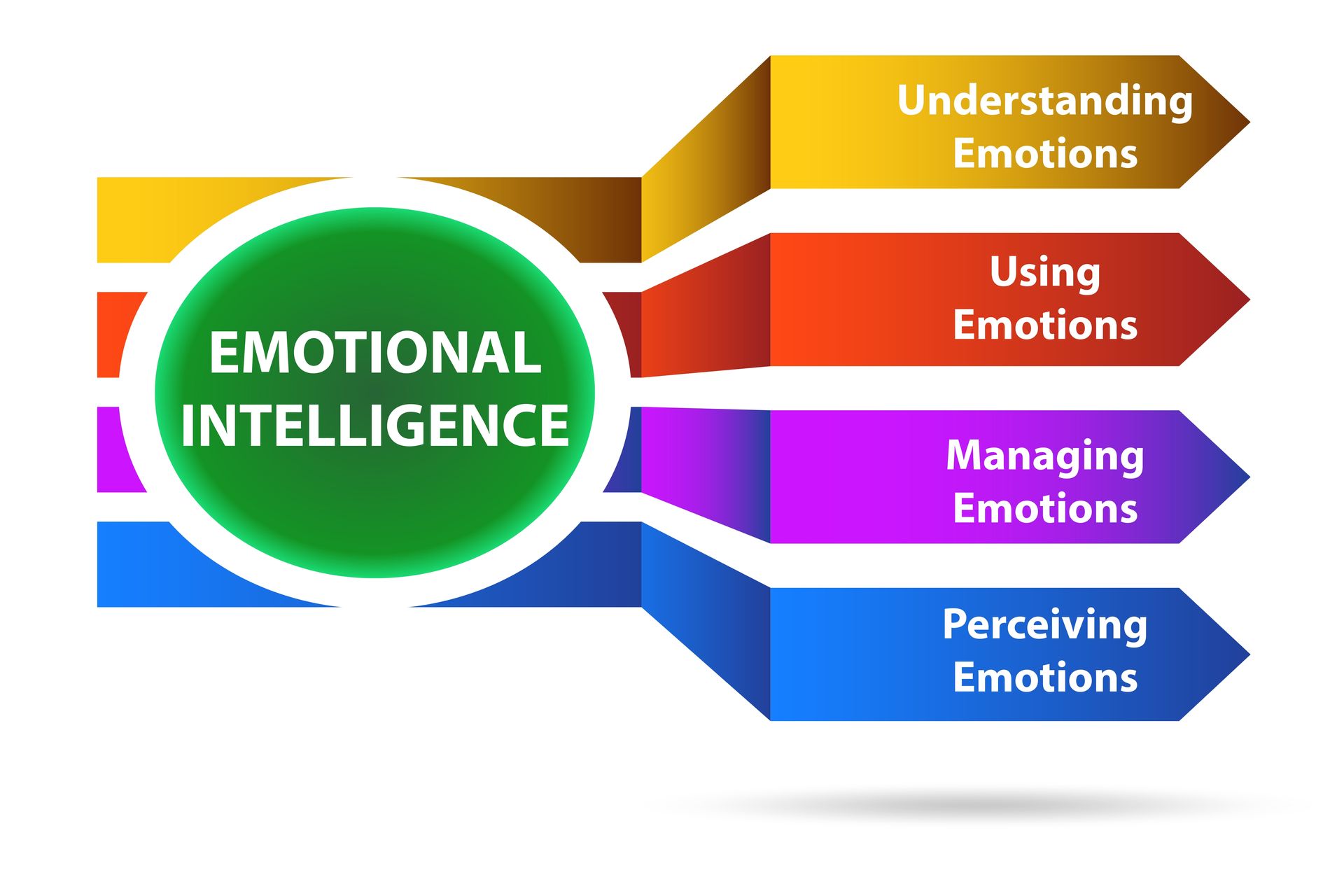
A graphic showing the four elements of EQ
by Chris Apps 27 July 2026
Technical skill is not enough when a role involves people, pressure and judgement. Emotional intelligence can help employers reduce poor hiring decisions.
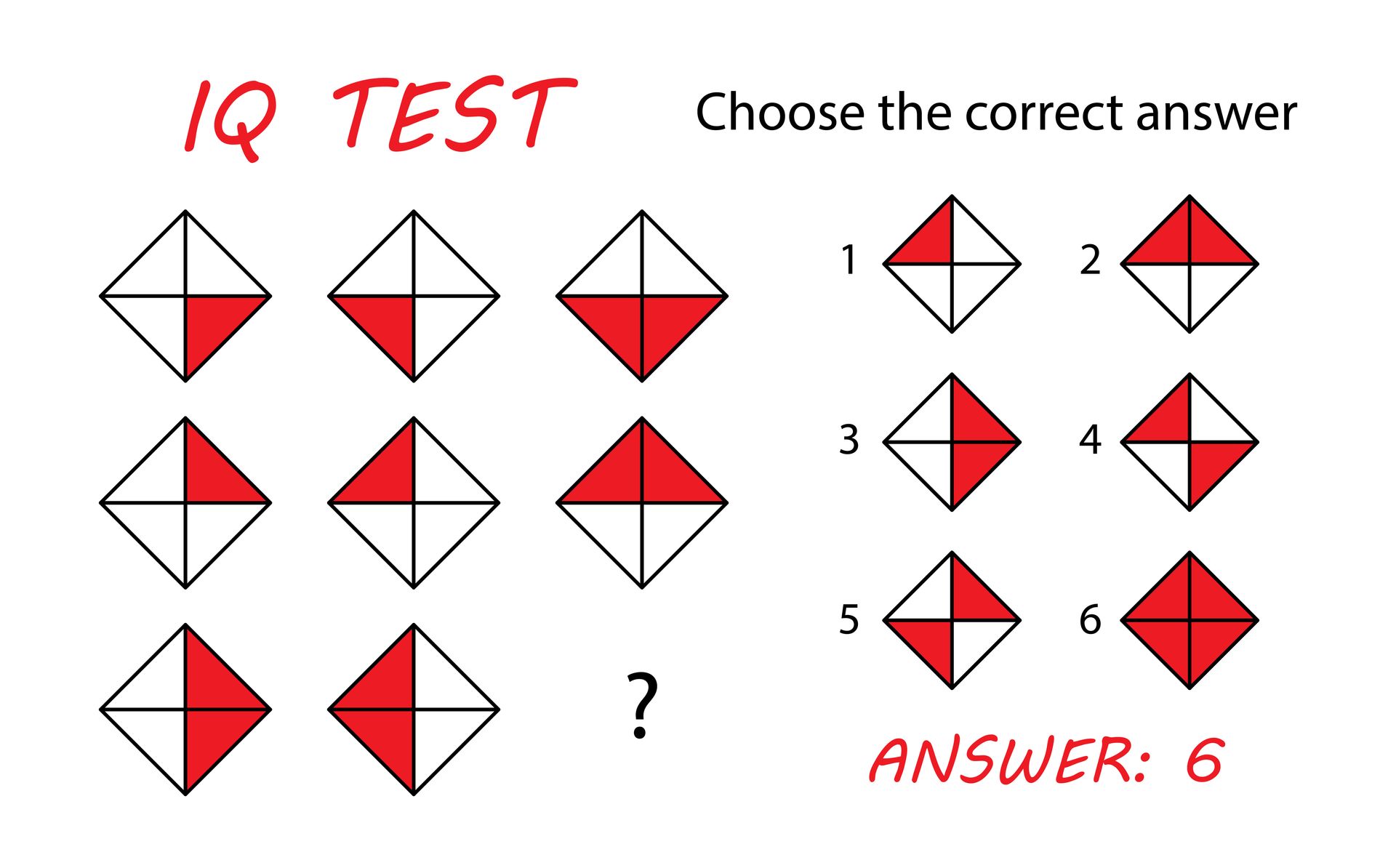
A test item from an IQ test
by Chris Apps 21 July 2026
A strong CV and interview do not always show whether a candidate can learn quickly, handle complexity and meet the real demands of the role.

Business people looking over accounts
by Chris Apps 14 July 2026
A mishire can cost far more than salary. Better recruitment protects profit, reduces wasted time and builds stronger teams that last and perform well.

A graphic depicting a job candidate between a CV and test
by Chris Apps 10 July 2026
Traditional recruitment rewards confidence and polish. A modern selection process uses stronger evidence to identify who is genuinely most likely to succeed.

Show More