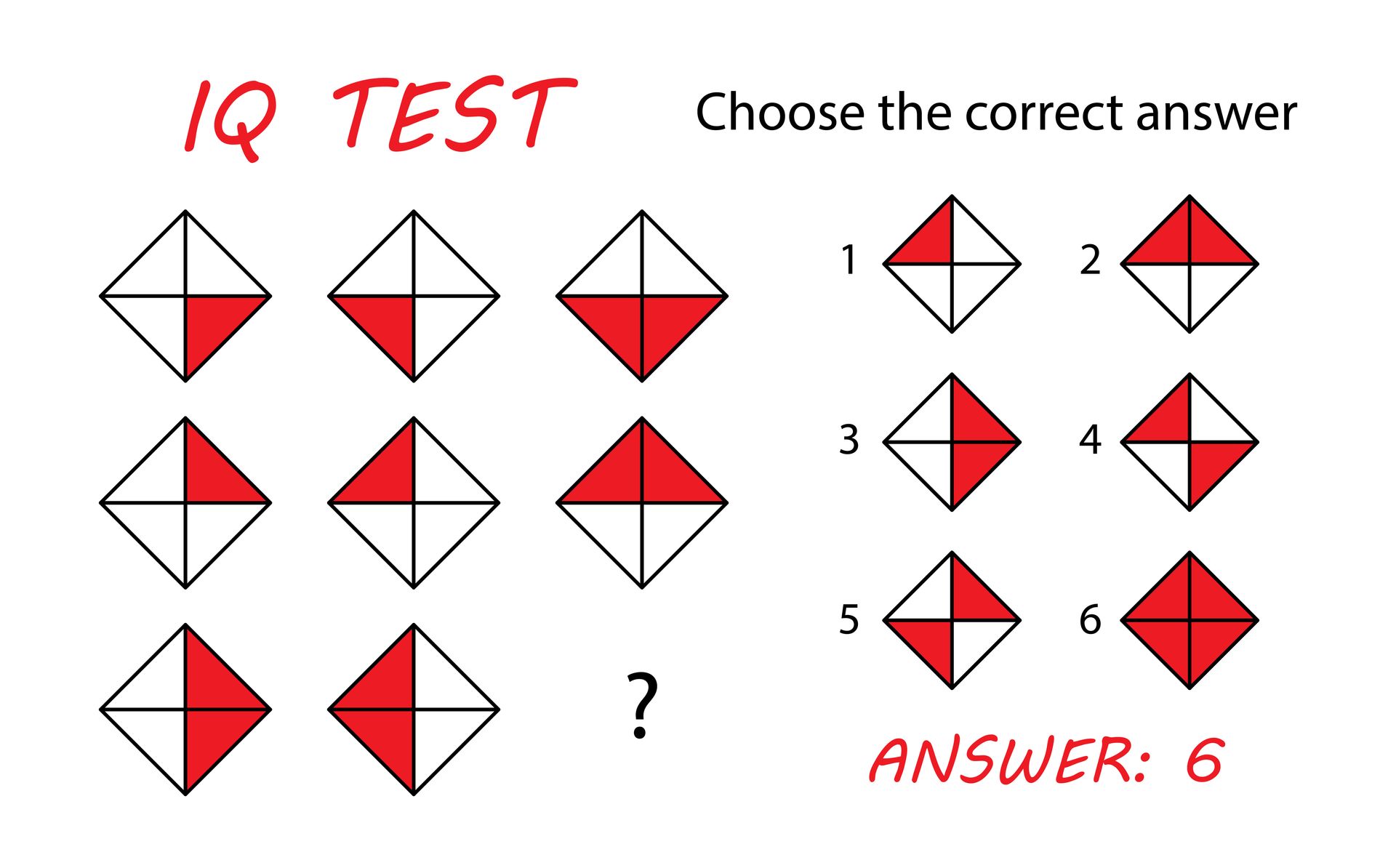
Aptitude testing is a valuable tool to obtain objective data about a candidate’s ability to learn new information and how long they can take to master the role, and knowing this information early in the selection process helps you make better decisions. Aptitude tests measure cognitive and intellectual abilities and/or work-relevant skills, such as spelling, grammar, and reading comprehension.
What are the Benefits of Aptitude Tests
Objective Data
Aptitude tests give you an unbiased evaluation of skills and abilities, allowing for a fair comparison between candidates. These assessments level the playing field for applicants from diverse backgrounds or candidates who struggle with interviews yet are strong applicants.
Talent Identification
Aptitude tests help you identify candidates whose aptitude and skills are a strong fit for your roles. Often, a candidate’s CV doesn’t reflect their true aptitude and potential, and aptitude tests can help identify these unknown “stars,” and you can hire them before your competitors do.
Professional Development
Aptitude tests can be used to help identify strengths and areas for improvement within your team.
Unbiased & Fairness
Aptitude testing provides a level playing field for candidates by giving them an
unbiased evaluation of skills and abilities for applicants from diverse backgrounds. Indeed, adding aptitude tests to your hiring process can also foster a sense of fairness and equality, as they ensure a standardised process for making promotional or recruitment decisions.
Fast & Efficient
Aptitude tests are quick and easy to administer, and they help remove the guesswork from the hiring process. Organisations
report that the use of these assessments cuts their time-to-hire by more than 50%. Embracing the predictive power of aptitude tests can take your hiring process to the next level.
Ensuring Accuracy
The accuracy of aptitude tests hinges on several factors, including validity, reliability, administration, and interpretation.
Validity and Reliability
All good psychometric tests have solid psychometric properties of reliability and validity. This means they measure what they claim to measure, and this is consistent over time. Aptitude tests should only be considered accurate if they have undergone rigorous and intensive validity testing during the assessment design process. This sets them apart from tests you might find on Google, which, while they may be fun, are not valid or reliable.
Administration
Motivation and engagement play crucial roles in providing accurate responses. At Fermion, we talk to all candidates beforehand to explain the nature of the tests, how to complete them to maximise their performance, clarify how the test data is used in the selection process, and answer any questions. Further to this, we provide detailed written instructions that complement the chat we have with candidates.
Interpretation
Results should be interpreted by experienced Psychologists who understand the strengths and limitations of each test being used and are aware that the results must be interpreted in the context of the role and the candidate’s work history. Test interpretation is everything.
Summary
Aptitude tests are accurate tools for assessing individuals' skills and abilities. Through their meticulous design, development, and validation processes, these tests provide objective measurements of aptitudes and offer valuable insights for talent identification and selection. Fermion are experts at aptitude testing, and we understand the importance of engaging all candidates in the process; we do not just send an anonymous email with a link to the testing. We talk to the candidates, explain the process, and answer any questions they have. At Fermion, all tests are administered and interpreted by trained Psychologists, and results are interpreted in the context of the role and the candidate’s work history.