

Giving Bad News: What to Say to Unsuccessful Job Applicants

Chris Apps • 15 February 2024

Get Straight to the Point & Don't Sugar Coat It

What do you say to an unsuccessful job applicant? In terms of brand awareness, reputation and just doing the right thing, it is prudent to give some feedback to unsuccessful candidates. However, at least anecdotally, many candidates never receive any feedback and just wait and wonder and then eventually just assume they missed out on the job. This person may share this experience with their friends and on the socials, doing you reputational damage.


Some people are very good at giving unsuccessful candidate the bad news; however, I think it is safe to assume that many people find it a real challenge.


My advice is to “rip the band-aid off” so to speak, and say:


“I have some news that might disappoint you”. 

OR

“I’m sorry to let you know that you’ve been unsuccessful”.


Don’t talk about anything else upfront or do the dreaded "
sandwich" approach of a compliment, then the real purpose of the call, and then something positive. Just say, “Hi Chris, this is Chris from Fermion and I have some news that might disappoint you


This puts the person’s mind at ease as they know where they stand, which then allows you to give them some feedback and the confidence to do it again in the future.  


Feel free to like, comment on or share this article. 

About the Author:

Christopher Apps is an Organisational Psychologist and the owner of Fermion. He stays updated on the latest psychology research and shares evidence-based insights.


The focus of Fermion is "Psychometric Testing for Recruitment" and "Recruitment to Retention: How to select good staff and keep them". If you would like to learn how to select good staff and keep them, please feel free to contact us at Fermion.


“Learn from the mistakes of others. You can’t live long enough to make them all yourself.”

Eleanor Roosevelt.

Recent Posts

A graphic with the symbols from Microsoft's big 3 - Excel, Word and PowerPoint.
by Chris Apps 16 September 2026
Skills testing can verify current competence, but better recruitment decisions also consider cognitive ability, personality and evidence from multiple sources.

A graphic with the words
by Chris Apps 10 September 2026
Reference checks can add useful evidence, but they are biased and imperfect. Learn how to use them without giving weak evidence too much influence in hiring.

A job candidate being interviewed by a panel of four.
by Chris Apps 1 September 2026
Interviews should not do all the work. Screening, testing and gathering evidence first can reduce bias and help organisations make better hiring decisions.

3 job candidates waiting for an interview
by Chris Apps 27 August 2026
Better hiring decisions come from a disciplined recruitment process that standardises assessment, informs candidates and combines multiple sources of evidence.

A male office worker pointing his finger a t a male colleague in anger.
by Chris Apps 18 August 2026
A great interview can create false confidence. Learn how psychometric testing and multiple sources of evidence can reduce the risk of a costly mishire.

A male at  a job interview
by Chris Apps 12 August 2026
Interview confidence can feel convincing, but intuition is often unreliable. Better hiring decisions come from structured evidence and multiple data sources.
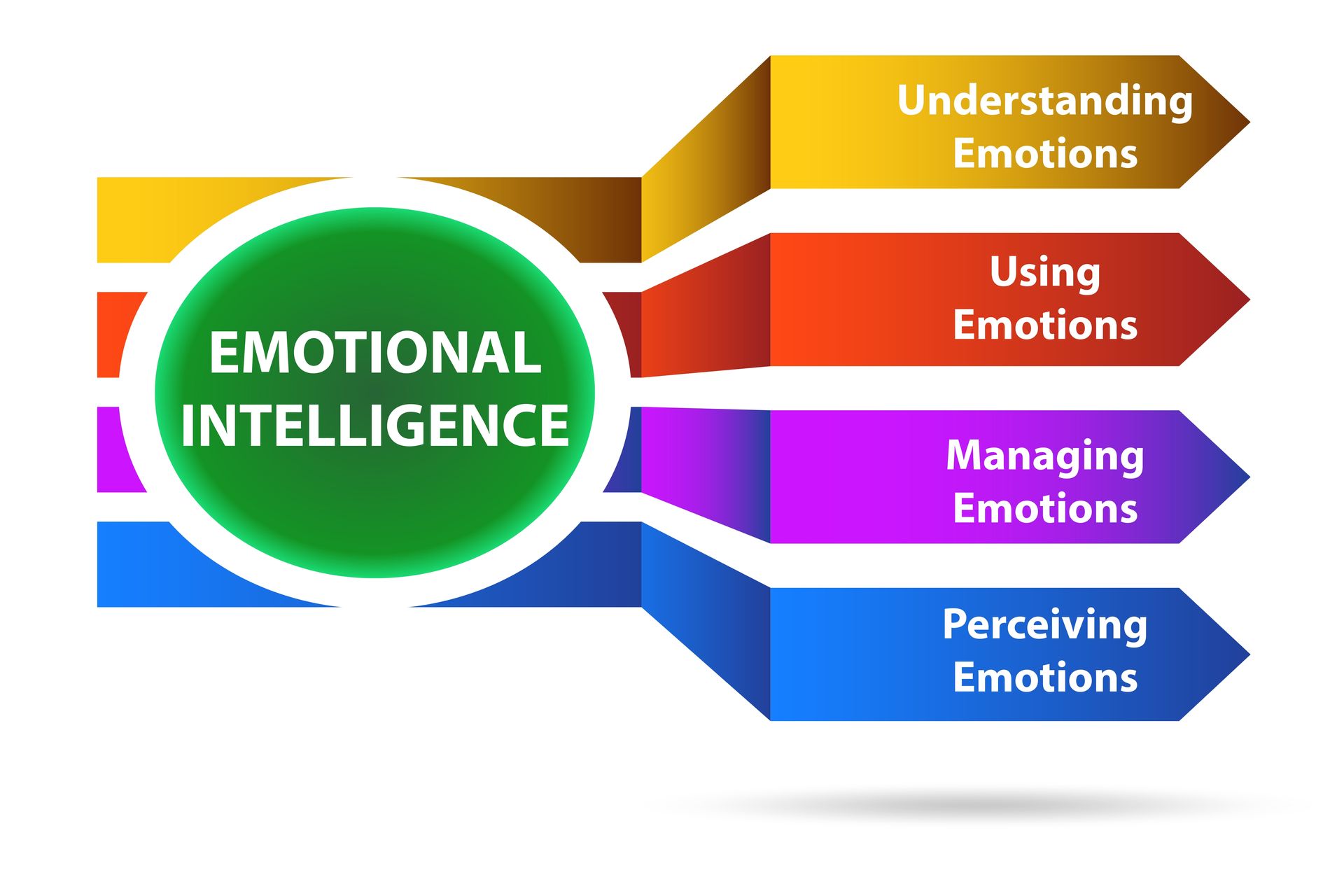
A graphic showing the four elements of EQ
by Chris Apps 27 July 2026
Technical skill is not enough when a role involves people, pressure and judgement. Emotional intelligence can help employers reduce poor hiring decisions.
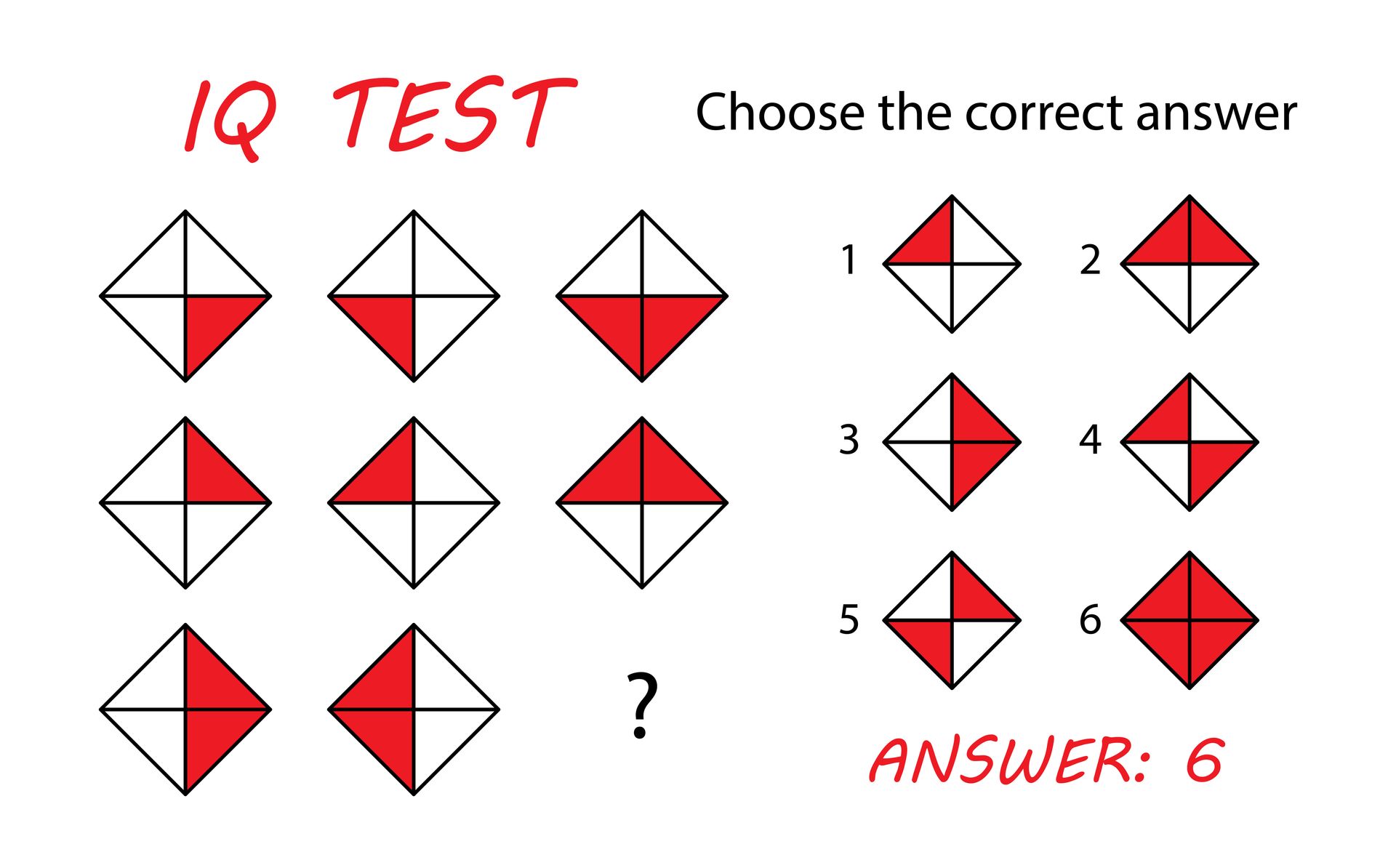
A test item from an IQ test
by Chris Apps 21 July 2026
A strong CV and interview do not always show whether a candidate can learn quickly, handle complexity and meet the real demands of the role.

Business people looking over accounts
by Chris Apps 14 July 2026
A mishire can cost far more than salary. Better recruitment protects profit, reduces wasted time and builds stronger teams that last and perform well.

A graphic depicting a job candidate between a CV and test
by Chris Apps 10 July 2026
Traditional recruitment rewards confidence and polish. A modern selection process uses stronger evidence to identify who is genuinely most likely to succeed.

Show More