

Skills testing can verify current competence, but better recruitment decisions also consider cognitive ability, personality and evidence from multiple sources.
Reference checks can add useful evidence, but they are biased and imperfect. Learn how to use them without giving weak evidence too much influence in hiring.

Interviews should not do all the work. Screening, testing and gathering evidence first can reduce bias and help organisations make better hiring decisions.

Better hiring decisions come from a disciplined recruitment process that standardises assessment, informs candidates and combines multiple sources of evidence.

A great interview can create false confidence. Learn how psychometric testing and multiple sources of evidence can reduce the risk of a costly mishire.

Interview confidence can feel convincing, but intuition is often unreliable. Better hiring decisions come from structured evidence and multiple data sources.
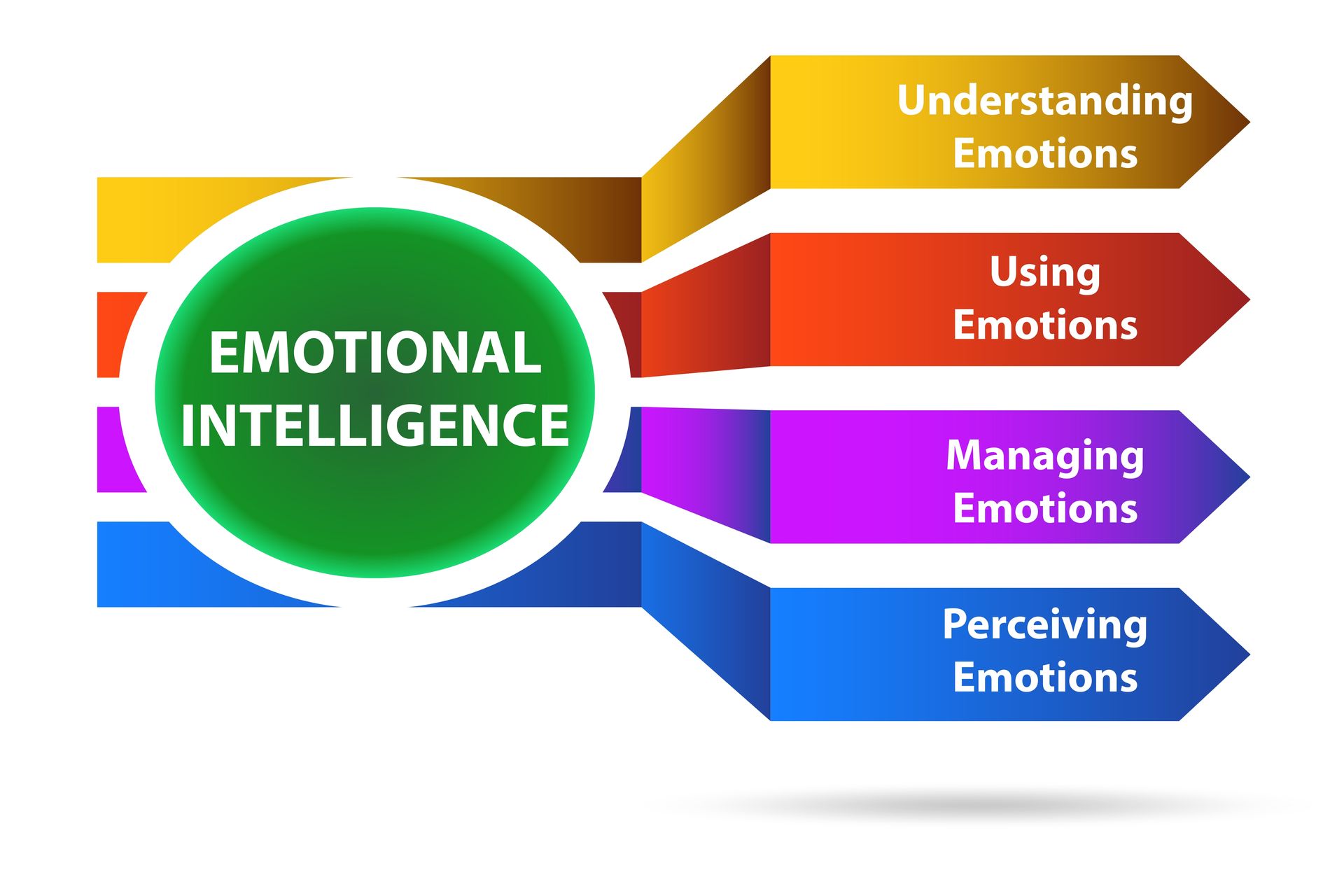
Technical skill is not enough when a role involves people, pressure and judgement. Emotional intelligence can help employers reduce poor hiring decisions.
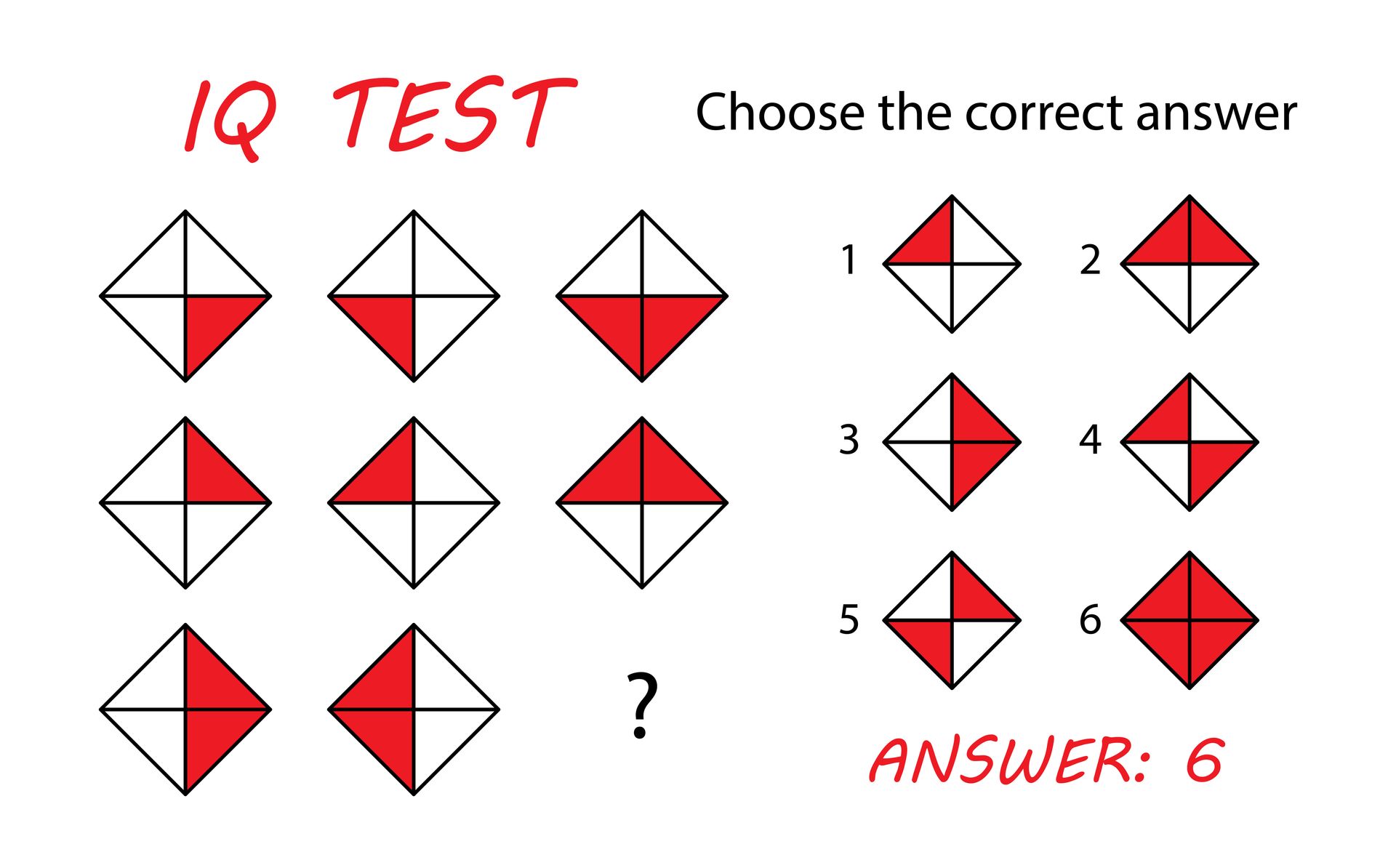
A strong CV and interview do not always show whether a candidate can learn quickly, handle complexity and meet the real demands of the role.

A mishire can cost far more than salary. Better recruitment protects profit, reduces wasted time and builds stronger teams that last and perform well.

Traditional recruitment rewards confidence and polish. A modern selection process uses stronger evidence to identify who is genuinely most likely to succeed.