

Should I Test for General Intelligence During Recruitment?

Chris Apps • 28 August 2023

Should I Test for General Intelligence During Recruitment?

YES, you definitely should test for general intelligence during recruitment. General intelligence is the ability to reason, plan, solve problems, think abstractly, comprehend complex ideas, learn quickly, and learn from experience. It is not our amount of knowledge but our ability to pick up and apply that knowledge. Intelligence is the ability to “catch on” and “make sense of things.”


85 years of research has shown that general intelligence is the most valid predictor of future performance and learning when hiring people and is the single most effective predictor known of individual performance on the job. Of course there are many kinds of talent, many kinds of mental ability and many other aspects of personality and character that influences a person’s chances of success and happiness but there is ample evidence that general intelligence is the single most valid predictor of productive work behaviours and training performance.


Intelligence can also be thought of as the ability to deal with cognitive complexity and the rate at which we learn new information. More complex tasks require more mental manipulation, and this manipulation of information – discerning similarities and inconsistencies, drawing inferences, grasping new concepts and so on – constitutes intelligence in action. 


In more complex jobs it does so better than any other single personal trait, including education and job experience. The importance of general intelligence in job performance is related to complexity. Occupations differ considerably in the complexity of their demands, and as that complexity rises, higher general intelligence levels become a bigger asset and lower levels a bigger handicap. 


General intelligence is stable and it is not difficult to measure and in the entire selection process, is often the most objective piece of data you will have on a candidate. There are lots of different tests of general mental ability available and our preferred one is the Criteria Cognitive Aptitude Test (CCAT). This test has 50 multiple-choice questions, and the candidate must complete as many as they can in 15 minutes. There are many other very good intelligence tests suitable for recruitment available and we would strongly recommend one of them be used in all recruitment, preferably as a screening tool.


Conclusion: You definitely should test for general intelligence during recruitment because 85 years of research has shown that general intelligence is the most valid predictor of future performance and learning when hiring people and is the single most effective predictor known of individual performance on the job.

About the Author:

Christopher Apps is an Organisational Psychologist and owner of Fermion. I enjoy keeping up to date with the latest research in psychology and sharing that information. There are a lot of fads, gimmicks and clichés in the people & culture field, and I believe it is important to be sceptical of hyperbolic claims about human behaviour and to adopt an evidence-based approach to work.


The focus of Fermion is "Psychometric Testing for Recruitment" and "Recruitment to Retention: How to select good staff and keep them". If you would like to learn how to select good staff and keep them, please feel free to contact us at Fermion.


“Learn from the mistakes of others. You can’t live long enough to make them all yourself.”

Eleanor Roosevelt.

Recent Posts

A graphic with the symbols from Microsoft's big 3 - Excel, Word and PowerPoint.
by Chris Apps 16 September 2026
Skills testing can verify current competence, but better recruitment decisions also consider cognitive ability, personality and evidence from multiple sources.
A graphic with the words
by Chris Apps 10 September 2026
Reference checks can add useful evidence, but they are biased and imperfect. Learn how to use them without giving weak evidence too much influence in hiring.

A job candidate being interviewed by a panel of four.
by Chris Apps 1 September 2026
Interviews should not do all the work. Screening, testing and gathering evidence first can reduce bias and help organisations make better hiring decisions.

3 job candidates waiting for an interview
by Chris Apps 27 August 2026
Better hiring decisions come from a disciplined recruitment process that standardises assessment, informs candidates and combines multiple sources of evidence.

A male office worker pointing his finger a t a male colleague in anger.
by Chris Apps 18 August 2026
A great interview can create false confidence. Learn how psychometric testing and multiple sources of evidence can reduce the risk of a costly mishire.

A male at  a job interview
by Chris Apps 12 August 2026
Interview confidence can feel convincing, but intuition is often unreliable. Better hiring decisions come from structured evidence and multiple data sources.
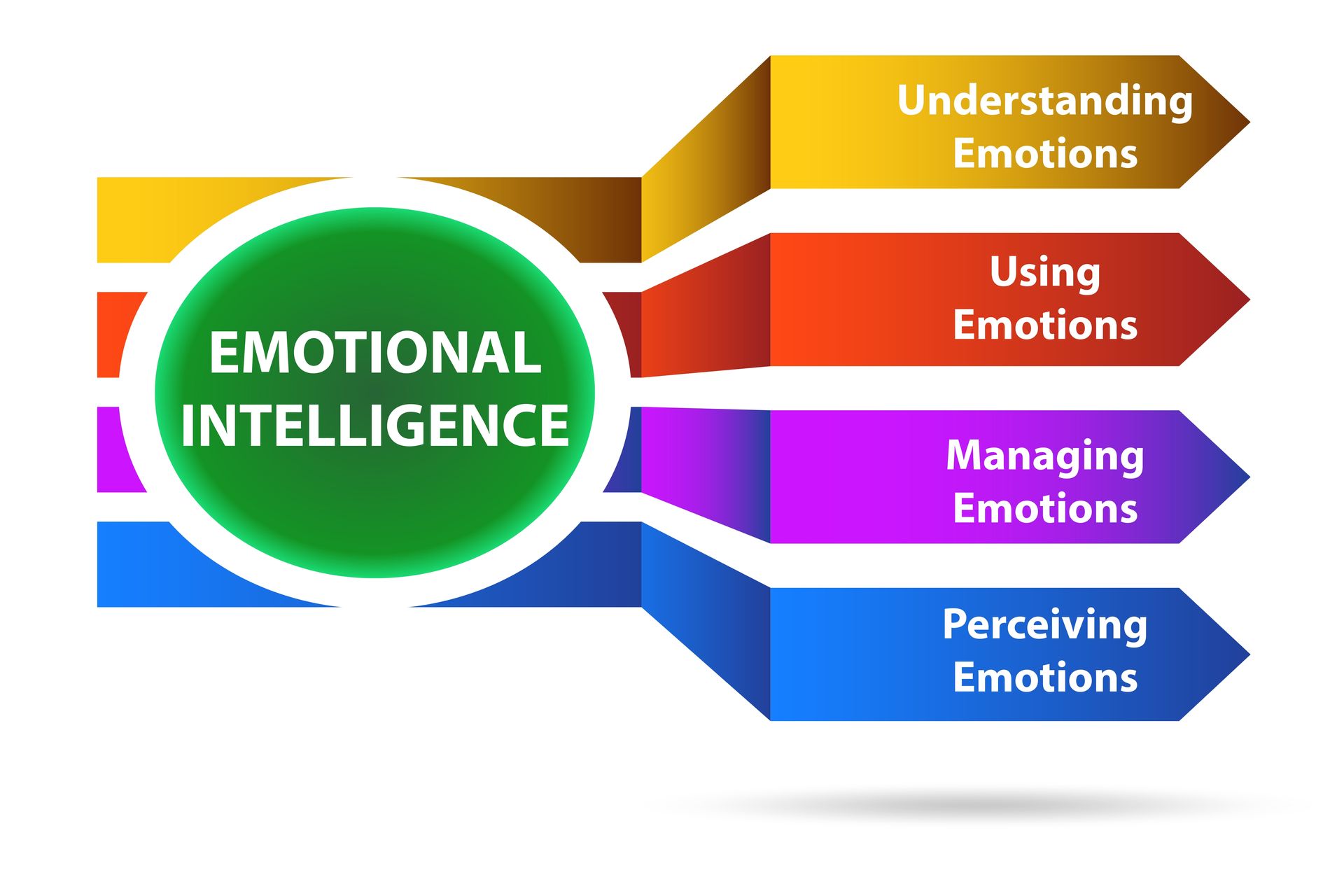
A graphic showing the four elements of EQ
by Chris Apps 27 July 2026
Technical skill is not enough when a role involves people, pressure and judgement. Emotional intelligence can help employers reduce poor hiring decisions.
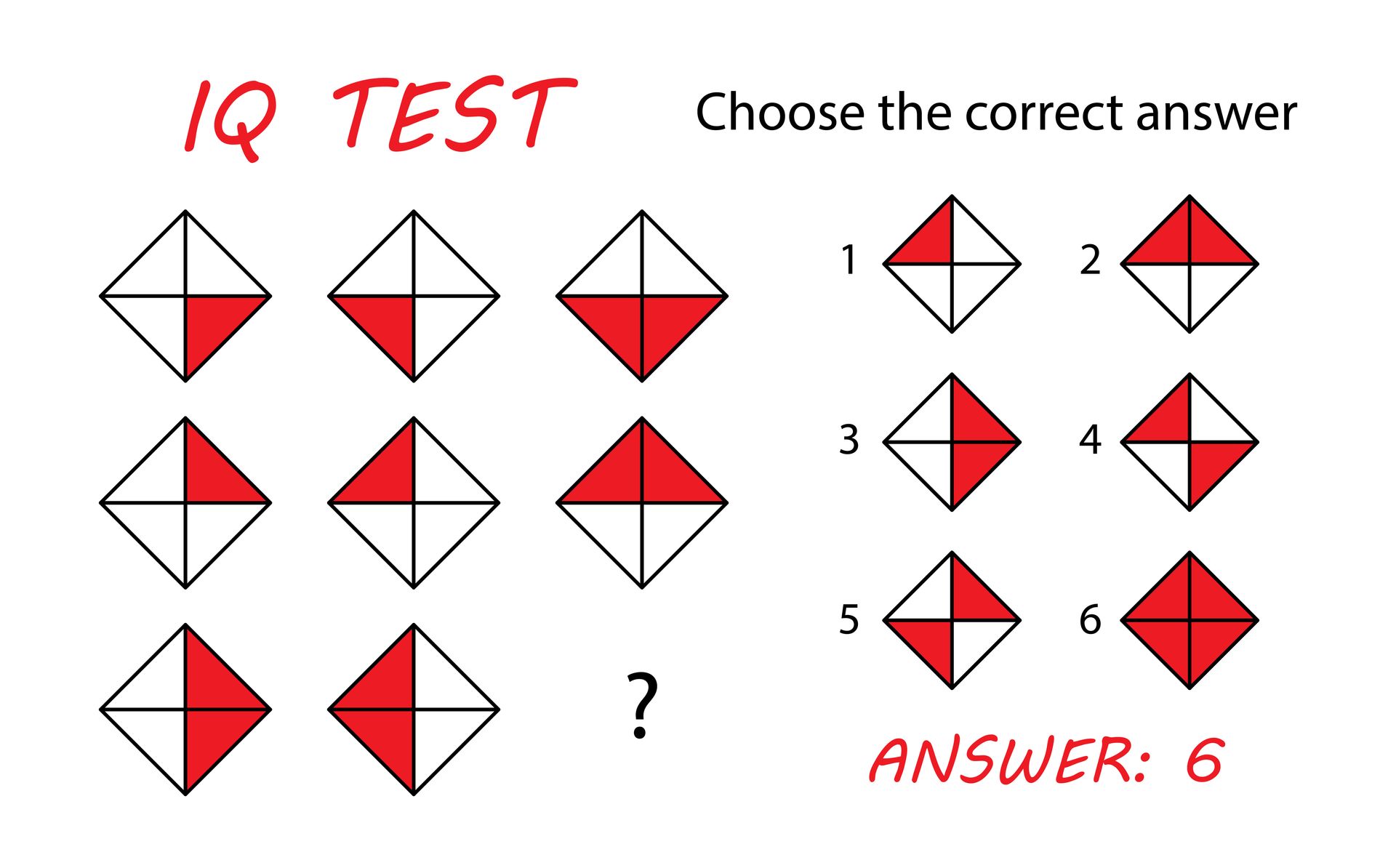
A test item from an IQ test
by Chris Apps 21 July 2026
A strong CV and interview do not always show whether a candidate can learn quickly, handle complexity and meet the real demands of the role.

Business people looking over accounts
by Chris Apps 14 July 2026
A mishire can cost far more than salary. Better recruitment protects profit, reduces wasted time and builds stronger teams that last and perform well.

A graphic depicting a job candidate between a CV and test
by Chris Apps 10 July 2026
Traditional recruitment rewards confidence and polish. A modern selection process uses stronger evidence to identify who is genuinely most likely to succeed.

Show More